
■Special Discussion■ Shunsuke Narusawa and CEO Ishizaka exchange opinions on diverse work styles
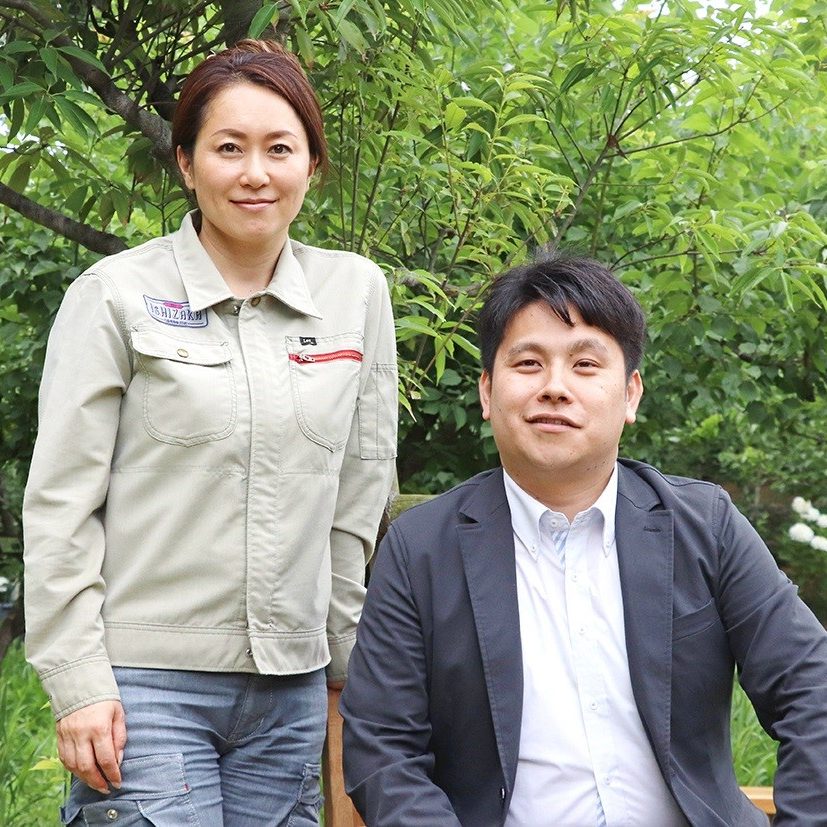
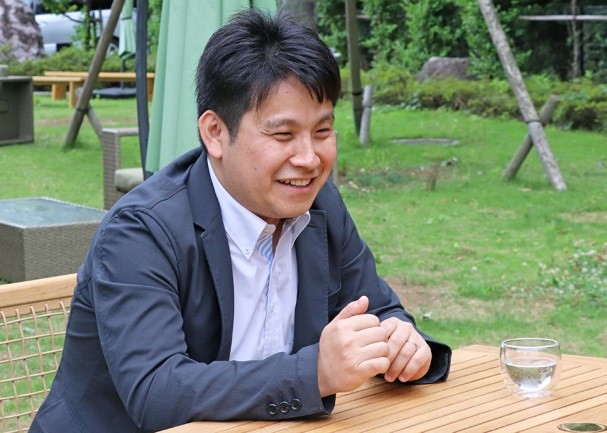
Representative Ishizaka and Shunsuke Narisawa, who provide work style support and activities to connect people and companies for people who have difficulty finding employment, such as those with mental health issues, social withdrawal, or disabilities, exchanged opinions on diverse working styles.
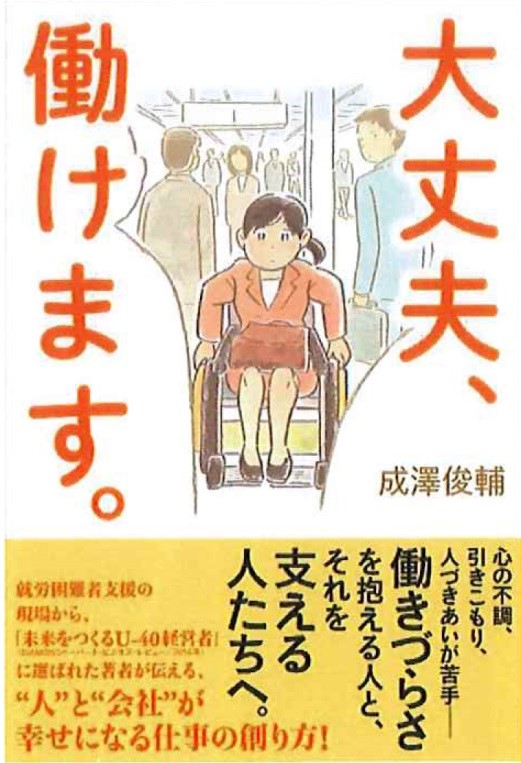
He recently published his book “Don’t worry, you can work.” Shunsuke Narusawa, who is involved in activities to support diverse working styles through employment support for people with employment difficulties and employment consulting for people with disabilities, visited our company. Together with CEO Ishizaka, he shared valuable opinions on topics such as “the nature of employment support” and “the possibilities of diverse workplaces” in the coming era, including what it means for companies and society to discover the strengths of each individual, and how to support people’s growth.
I would like to discuss the central theme of Ishizaka Narisawa’s activities, including practical ideas on what perspective we should take to create a society where people can continue to work by making use of their individual strengths, regardless of age, gender, or whether or not they have a disability.
Narusawa (hereafter referred to as “titles omitted”): I think what Ishizaka Sangyo is doing and what we are doing are in the same direction. I think there is something in common between satoyama and people who have difficulty finding work. For people whose value is not recognized by society, or who are thought to be like this, we want to create opportunities, information, and catalysts to make them realize, “Oh, it’s not like that!” It is
in this respect that I feel that our work is similar to that of environmental or recycling work. I think it is about proposing a change in the way we look at and perceive things that society has decided are useless.
Ishizaka: What do you think is the main reason why there is currently a big gap between society and people who have difficulty finding employment support, and why things are not going smoothly?
I think the number of people who are able to take action, like through Narusawa Action, is decreasing.
Statistically, it is said that for every family or household with three to four people, there is one person who has difficulty finding work. So I don’t think it’s true that we have never seen or come into contact with people who have difficulty finding work.
I think a major issue is that we have read blogs and accounts of people with disabilities, and seen 24-hour television programs, but have never actually spoken to the person sitting next to them, or had no opportunity to interact with them or take action.
Whenever I give a lecture, I am asked, “What should I do if I see a person with a disability at the station?” I tell them that in that case, they should ask, “Can I help you?” instead of “Are you OK?” Because when people are asked, “Are you OK?”, they tend to say, “Yes, I’m OK.” “Can I help you?” is more proactive. I think it would be
good if the person who is spoken to could communicate in a pleasant way, saying things like, “Thank you for speaking to me,” and having good communication with the person who has interacted with them.
Ishizaka: I do often ask, “Are you okay?” It’s hard to say, “I’m not okay,” after someone asks, “Are you okay?”
Narusawa: I recently gave a lecture at a major company, where I said that unless there is someone in a position who can properly manage things, the way people work and the company will not change. I
always ask people in trouble, whether they are okay or if I can help them, and I always try to ask, “Is there anything I can do for you?”
I receive thousands of phone calls and emails from people who are dejected and say they want to die, and many people who think they’re no good. When I ask them, “Is there anything I can do for you?” at those times, their thinking changes to “what I can do.” They ask, “Is there anything I can ask this person to do for me?” I try
to be conscious in various ways of how to speak to them and communicate with them so that they can rely on me.
Ishizaka : I see. How we interact with them is not just about them, but also about their families’ perspectives, which is very important.
There are times when parents are very vocal about wanting their children to be protected because they are at risk if something were to happen. How do you convey that message to parents?
Narisawa: An easy example is, “When will you make me a full-time employee? Please make me a full-time employee.” I always think that this is an impossible request. Wanting your child to become a full-time employee is not actually about that, but rather about ensuring safety and security while gradually increasing their salary and the scope of their work, so I think they want you to “accompany me in my lifestyle.” Rather than making an effort to communicate, we need to make an effort to be understood, so I think the request to become a full-time employee is one example of that.
Secondly, I believe that if there is a quality or ability necessary for the job, it is to be loved. Most people who are able to be loved have had the experience of being loved, early on and in close proximity. I believe that when parents love their children, they can become people who are loved.
First, when I’m working in human resources at a company and meet with people with disabilities, I’m always asked the following questions: “What are your weaknesses? What do you want us to consider? Is there anything you’d like us to support?” I don’t think these questions are good. They’re not positive. For example, I’m blind. My obvious weakness is reading. It’s easy to see what I’m not good at.
But if parents, governments, and companies had asked more questions like, “What are your strengths? How can we create an environment where you can utilize those strengths?” I think the world would definitely be different.
Strengths aren’t things like being incredibly good at calligraphy, but rather things like being able to wake up at 7 a.m. every day even if you’re not used to it, or picking up the newspaper from the mailbox even if no one asks. I think it’s good to be able to continue doing things consistently, so I hope parents and supporters will be able to talk more about strengths.
Ishizaka: For example, when you look at it from the perspective of their growth, you think it would be great if they could just go to work every day. But when they achieve that and are given the next task, such as trying to do a little more of this task, they may take it in an extreme way. They may think,
“I’m already working so hard, and you still want me to work harder?” They don’t take it as a sign of high expectations, but as a warning that they can’t do something. The “next stage” becomes a demand. There are quite a few cases where the thoughts of the person who said it and the way the person who said it interprets it are completely different.
Narusawa: People who have difficulty finding work have never been expected to produce results in their lives. In some ways, they feel that it’s enough for them to just go to school without being stubborn, even if they have a disability or illness, but in other ways, they don’t know how much they’ll be expected to produce. I think they have very little experience of being expected to produce results or clear challenges.
Ishizaka: I can tell that our staff are very considerate. They are careful about how they say things. For example, we have been able to improve the accuracy of the “separation work,” but when we tried to speed up the process because we had been able to separate it up to this point, speed was prioritized, and the accuracy dropped.
We don’t know how to communicate that either. I think there are times when we wonder what we should have said.
Do you have any advice on how to communicate, such as how to say it in a better way, or how to put a buffer between us?
Narusawa: I don’t think there are many success stories. In this case, I think there’s no difference between those with employment difficulties and those without. The basic premise is that people don’t do what they hear, but what they see. So, rather than placing your trust in the person giving you advice, follow the person who is doing it. I think it’s important that the person doing it is demonstrating it.
I think that if anyone has two goals, their target will sometimes be lowered, so I wonder if it’s okay to say, “I tried it this way.” Once quality is guaranteed, the next step is quantity. This will draw attention to the quantity, so I think it’s necessary to take measures like putting up a sticker in front of them that says “Value quality.” I think the best thing to do is to show them how to do it and think about it together.

Ishizaka: Summarizing what we’ve discussed helps us organize a lot. When you first start working with someone, it’s important to start with “Can I help you?” rather than “Are you okay?”, and when you start working together, it’s important to communicate by not only talking but also showing them how to do things in practice.
Narusawa: I think it’s important to show them the future, and that could mean a raise or the opportunity to go on a company trip together. These are people who have little experience of achieving something together with others. They’re overwhelmed with their own concerns. That’s why some people have said that after interacting with them, they’ve found a goal for the first time in their lives. When you’re holed up at home, you don’t have any goals. Goals exist because there are people you want to please. People with disabilities or who are shut-ins are still at an earlier stage. Once they’ve achieved something, if there’s someone involved, I think they’ll feel like they’ve had a new experience.
Ishizaka: Even if they don’t understand the words, even if they seem to understand at first glance, by showing them something concrete that they can see beyond, it will motivate them.
Narusawa : To make it clear every day whether quantity and quality have been guaranteed, we could put up blue stickers when quantity has been guaranteed and red stickers for quality, just like the stickers you put up to participate in radio calisthenics. If people start saying, “It’s been all blue lately, hasn’t it?” then they’ll understand. I think it’s important to make it easy to understand.
Ishizaka: Simply telling people how to move on to the next step is not enough because they have never experienced it before. Perhaps making it visible, such as specifically telling them to collect stickers, increases motivation. If they get a lot of blue stickers, they might get a bonus! It’s that easy to understand.
Narusawa: Given their nature, it might be a good idea to visualize them.
Ishizaka: The companies we currently work with are those that want to be relatively proactive in addressing these issues, and I think that number is increasing. On the other hand, there are still companies that cannot get involved at all.
As you support various people, is there anything you would like to ask or expect from companies? For example, rather than talking about how many people they legally have to admit, what do you think companies should be like, and what do you expect from them?
Narusawa: We talk about this almost every day. Currently, we often deal with companies with around 20 to 200 employees. As a rule, we don’t do business with companies that are just doing it for compliance reasons. We also don’t do business with companies that are just doing it for the sake of contributing to society. I hope that together we can create the true joy of working for a company or organization.
Hiring people with disabilities is not just an entry-level strategy, but a company that thinks that making it easy for them to work is actually good for other employees as well is a company that can bring out the best in its employees. Such companies are supported by customers as well. I think it’s a cycle. Work, the company, is not a cramped, unenjoyable place where you have to endure…but rather, working at the company is fun, and it’s fun to be able to change all kinds of people, and I think it’s important to be able to create that joy together when doing business with corporate clients.
As a rule, I’ve decided to only apply to one company per industry. From IT companies and game companies to foreign newspapers, restaurants, nursing homes, and even dumpling shops. If companies that can make it happen spread the word and send out positive messages, the industry will change quickly. I think that will help save lives sooner.
Ishizaka: As you operate under such a policy, are there any commonalities among companies that view human resources as part of their “circle”? What do you see as they change?
Narusawa : I think it’s the “power to notice” and “power to be considerate.” When you realize how much of an impact they have, I’m sure many people will start to question whether they’re working hard or whether they’re just that good. Another thing is that they’ll be able to be nosy. They’ll think, “I wonder if this will get through to this person,” or, “If it doesn’t, maybe I’ll try this.” They’ll start to feel like they should try doing things they thought were better, or that were nosy or unnecessary. Ultimately, it will change the way they communicate with their employees. I think this will evolve into the ability to be nosy, considerate, and take action.
Ishizaka: For example, it’s important for companies to realize that “this kind of value has changed,” and what’s more, they need to take action to disseminate what they’ve realized, otherwise that value won’t increase within the industry. I
feel that we need to create a world where companies can say to others, “We want these kinds of people to come to us because we simply want them to make us realize things.”
Narusawa: I looked at 50 companies last year, and not a single one saw a decline in sales. I think most
of them are growing and believe in the potential of others. They understand their strengths and weaknesses better than others. For example, there’s a secretary with Down syndrome in the United States. She’s not good at reading or communicating, but she’s working as a document shredder. She earns 6 to 8 million yen a year. If an average person were shredding documents, they might accidentally see trade secrets and accidentally reveal information. If we think of this risk as a way to avoid it, then the inability of a person with Down syndrome to read or speak can be seen as a strength rather than a weakness. We’re moving toward a world where we can really think about what our strengths and weaknesses are.
Our employees are able to talk about their strengths and weaknesses, which helps them feel like they’re utilizing their strengths in their work, which I think leads to their growth.
Ishizaka: That’s a great story, and a great way to make the most of your individuality. If you were to show it to companies, I think everyone would see it if the headline was “How to Reduce Wasteful Work by 30%.”
In business, companies cannot make choices without considering the benefits to themselves in all things, so by helping them find business, you give them the opportunity to become aware of it. I think that’s important. People won’t take action unless they’re motivated to try it.
Just like the fear of individuals reaching out to others, hiring is scary. People often think it’s going to be difficult, stressful, or risky, so you need to communicate things that don’t make them think that way. If you don’t do that, many companies won’t listen.
Even if they themselves are not aware of it, I think that if there are opportunities to teach them that this is a strength, whether at school or at home, things will change.
In Kyoto, there’s a term called “denfuku renren” (transfer of wealth and good fortune). I visited Kyoto City as an advisor for diverse work styles, and I found that traditional culture, like the 200-year-old Nishijin weaving industry, lacks sales, a lack of successors, and lack of innovation.
Some of us struggle with morning assemblies, meetings, and manuals. However, that’s not the case in the Nishijin weaving industry. People with developmental disabilities excel at being told to watch, silently memorize, or, to
put it more elegantly, have a craftsman-like nature. There’s a candle shop that’s been around for hundreds of years, and they’re allowed to paint candles whenever they want. Bringing someone with a developmental disability into a traditional culture environment—their work, learning by sight and working until they’re satisfied—was a perfect fit, and I thought it was fascinating. I’m sure there are many other examples like this.
It’s beneficial for recruitment and branding. It reduces costs, increases productivity, and contributes to company engagement. I think it will increase the number of hires, even to four or five.
Ishizaka: When companies think about what they can do to address these issues, I think many inevitably see it as a “mental issue” or “employment based on ethics.” In terms of the Analects and the abacus, companies that have hired people based on the Analects need to carefully consider the “abacus” aspect to ensure that their abacus is fully compatible. It would be great if we could communicate to business managers that employment support can also be considered from the abacus, and more companies would realize this.
Thank you very much for your valuable information and opinions.
◇ Shunsuke Narusawa (Shunsuke Narusawa) / Profile

Born in Saga Prefecture in 1985. Chairman of the NPO Future Dream Achievement (FDA). Enrolled in Saitama Prefectural University’s School of Health, Medical Care, and Welfare in 2003. After two years of isolation, he graduated in 2010 after seven years. He joined J-Brain, where he had worked as an intern while still a student, as a new graduate. However, he became depressed due to overwork and quit after four months. He then started his own business as a management consultant. In 2011, he became Executive Director of the NPO FDA. In 2016, he became Chairman. He has given himself the nickname “The World’s Cheerful Visually Impaired Person.” He gives lectures and consults nationwide, specializing in employment for people with disabilities and diverse work style reforms. In 2016, he was selected as one of the “U-40 Business Leaders Shaping the Future” by the monthly DIAMOND Harvard Business Review. In 2017, he received the Minister of Economy, Trade and Industry Encouragement Award and the National Governors’ Association Chairman’s Encouragement Award at the 31st Human Power Awards.
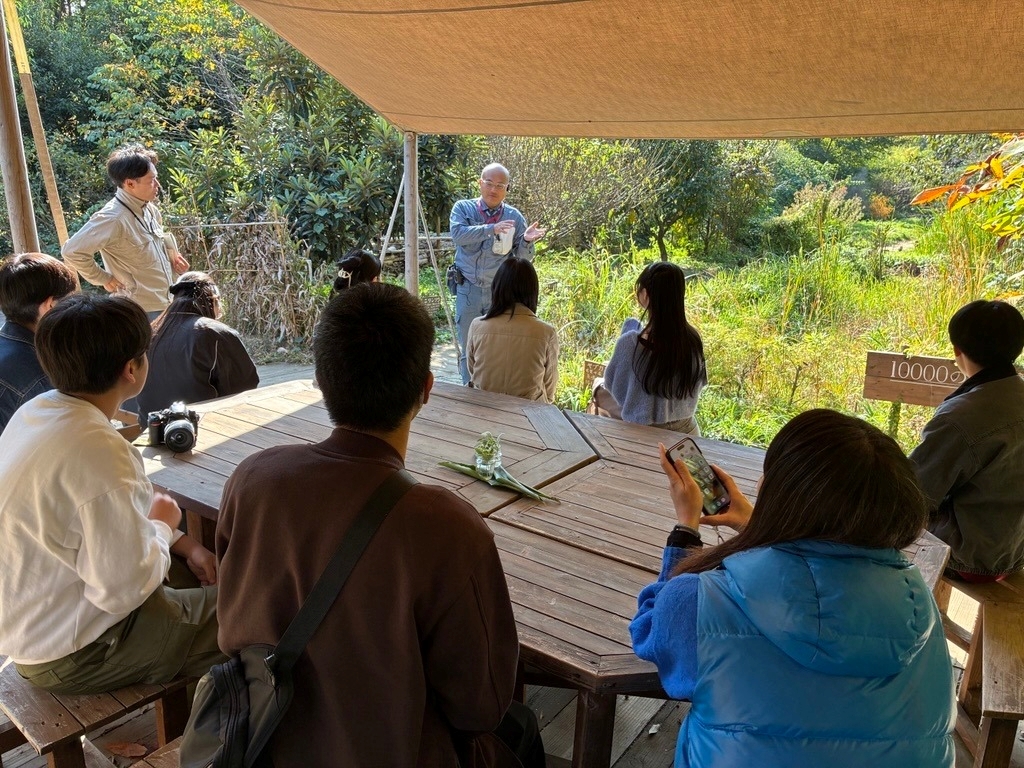
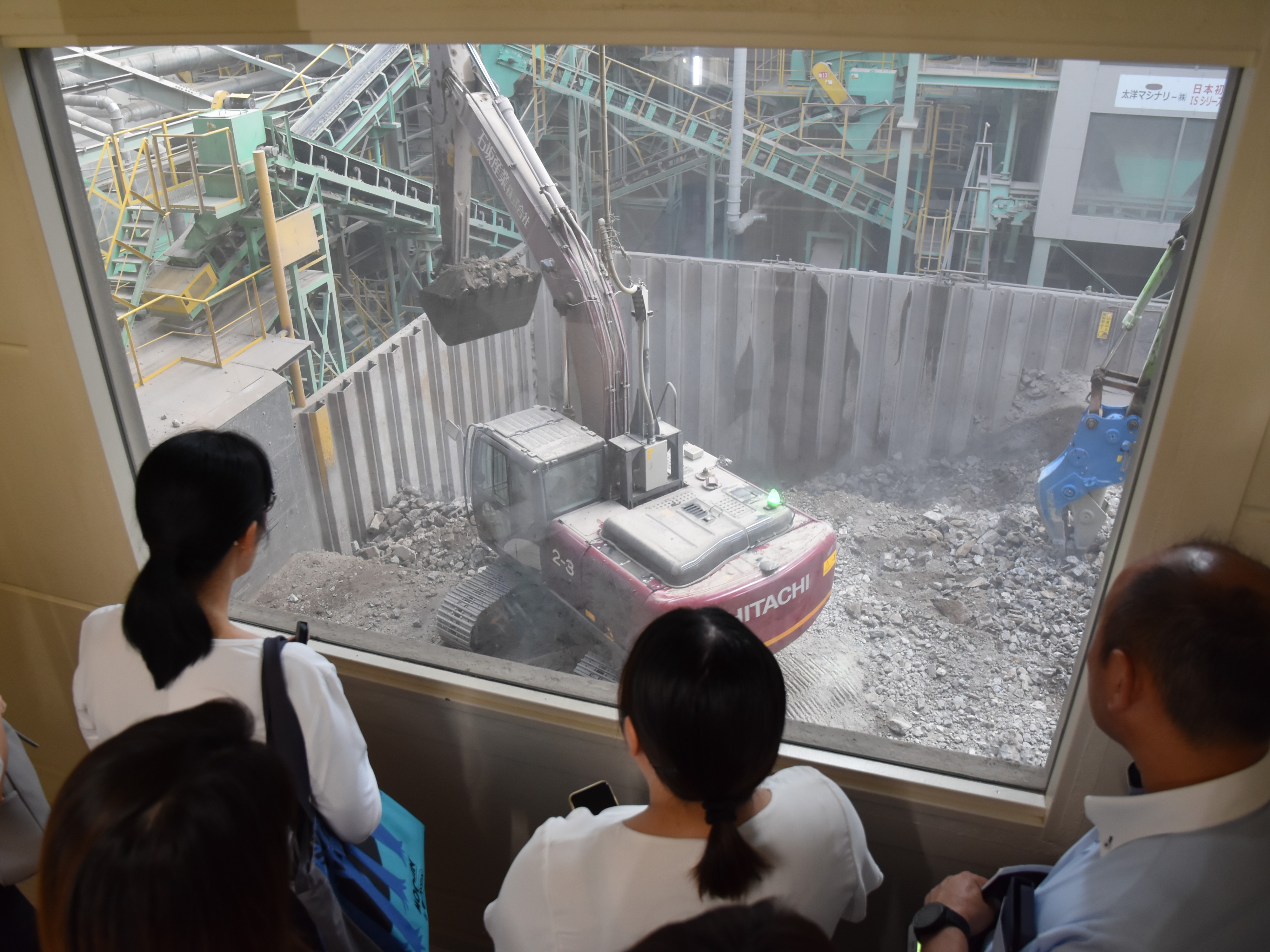
Facility Tour and Training Program
We offer factory tours throughout the year that are open to all visitors.Our programs include tours designed for adults, family-friendly tours for parents and children, as well as tours tailored for companies and organizations.We provide customized courses based on your needs, including the theme, budget, and available time.
Contact Us
For inquiries regarding industrial waste acceptance, media interview requests, or consultations about collaboration and partnerships, please contact us here.