

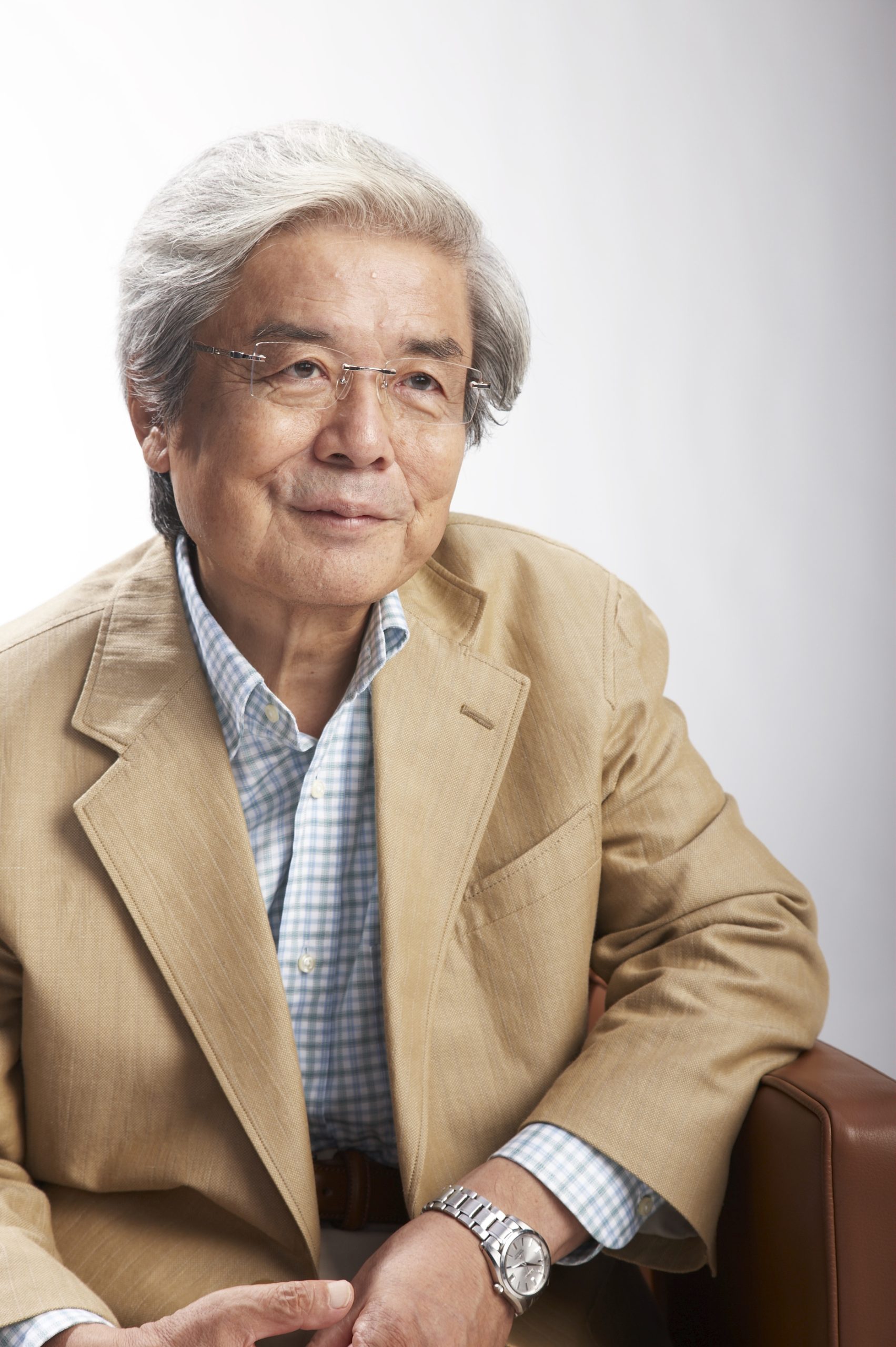
Professor Takeshi Yoro, Professor Emeritus of the University of Tokyo, shared his message about the value of the “Kuugi Forest” that our company conserves and manages.
——————
It is said that 25 million hectares of forests are disappearing every year around the world.
This figure is one-fifth of Japan’s forest area.
If this rate were applied to Japan, it would mean that the country would be completely bare in five years.
I hope that many people will come into contact with Ishizaka Sangyo’s philosophy of protecting and nurturing traditional satoyama forests and promoting “coexistence between people and nature.”
After all, the Kunugi forest is home to many precious plants and animals, including the rare “blue spotted jewel beetle,” which is designated as a near-threatened species in Saitama Prefecture.
In the past, satoyama was a place where people could make charcoal, gather feed for livestock, collect firewood and brushwood, and pick mushrooms – in other words, it was a place that was essential for daily life.
Today, satoyama is no longer like that.
One time when I visited the oak forest, I looked for rhinoceros beetle larvae with my children.
Today’s satoyama is actually a symbol of a place where humans live in connection with nature.
It is very important for children to become familiar with it.
Children are not born as civilized people.
Just as the Jomon forests remained as shrine forests even in the Yayoi period, satoyama remain today.
Seeing children playing happily in the oak forest gave me hope for the future.
Yoro Takeshi
——————
You can also access it from our corporate website at the following URL:
https://ishizaka-group.co.jp/esd/inheritance/
Professor Yoro appeared at the “Living with SATOYAMA EXPO” held by our company in 2016, where he shared hints for living happily in harmony with nature in the future society in a dialogue with Professor Kiyohiko Ikeda of Waseda University.
We will continue to work on conservation activities for the Kunugi forest, which is rich in biodiversity.
■Takeshi Yoro (Professor Emeritus, University of Tokyo)
Born in Kamakura in 1937. After graduating from the Faculty of Medicine at the University of Tokyo, he joined the Department of Anatomy. In 1995, he retired from his position as professor at the Faculty of Medicine at the University of Tokyo, and served as a professor at Kitasato University from 1996 to 2003. He received the Suntory Prize for Social Sciences and Humanities for “How to See the Body” in 1889, and the Mainichi Publishing Culture Special Award in 2003 for “The Wall of Idiots.”
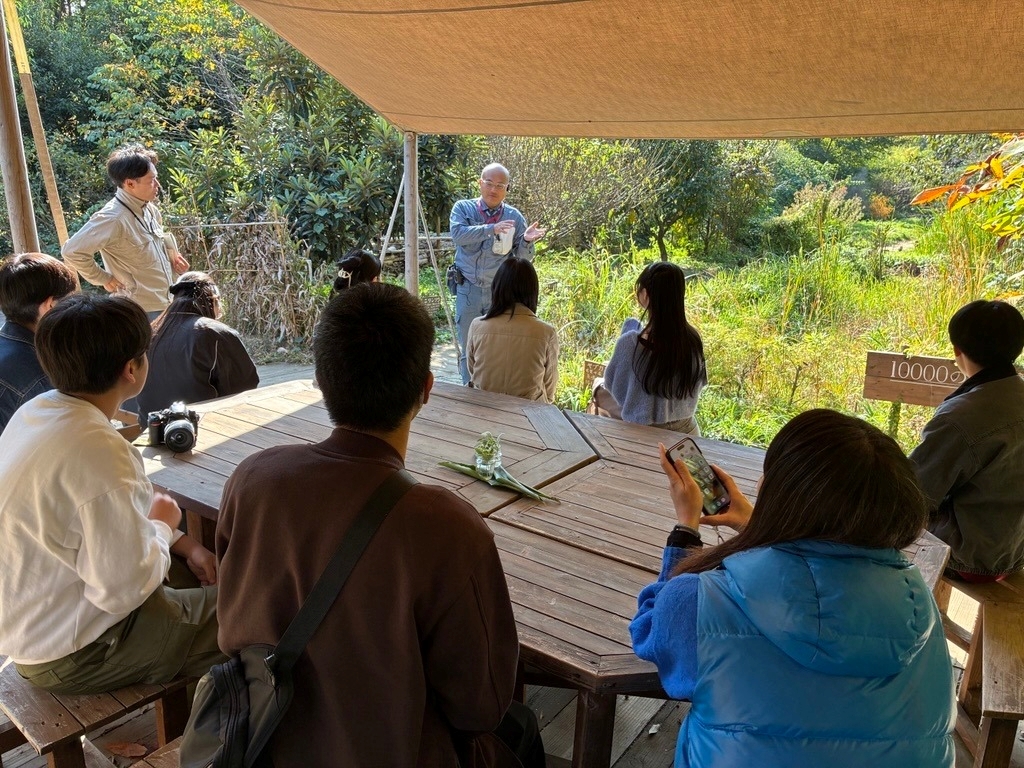
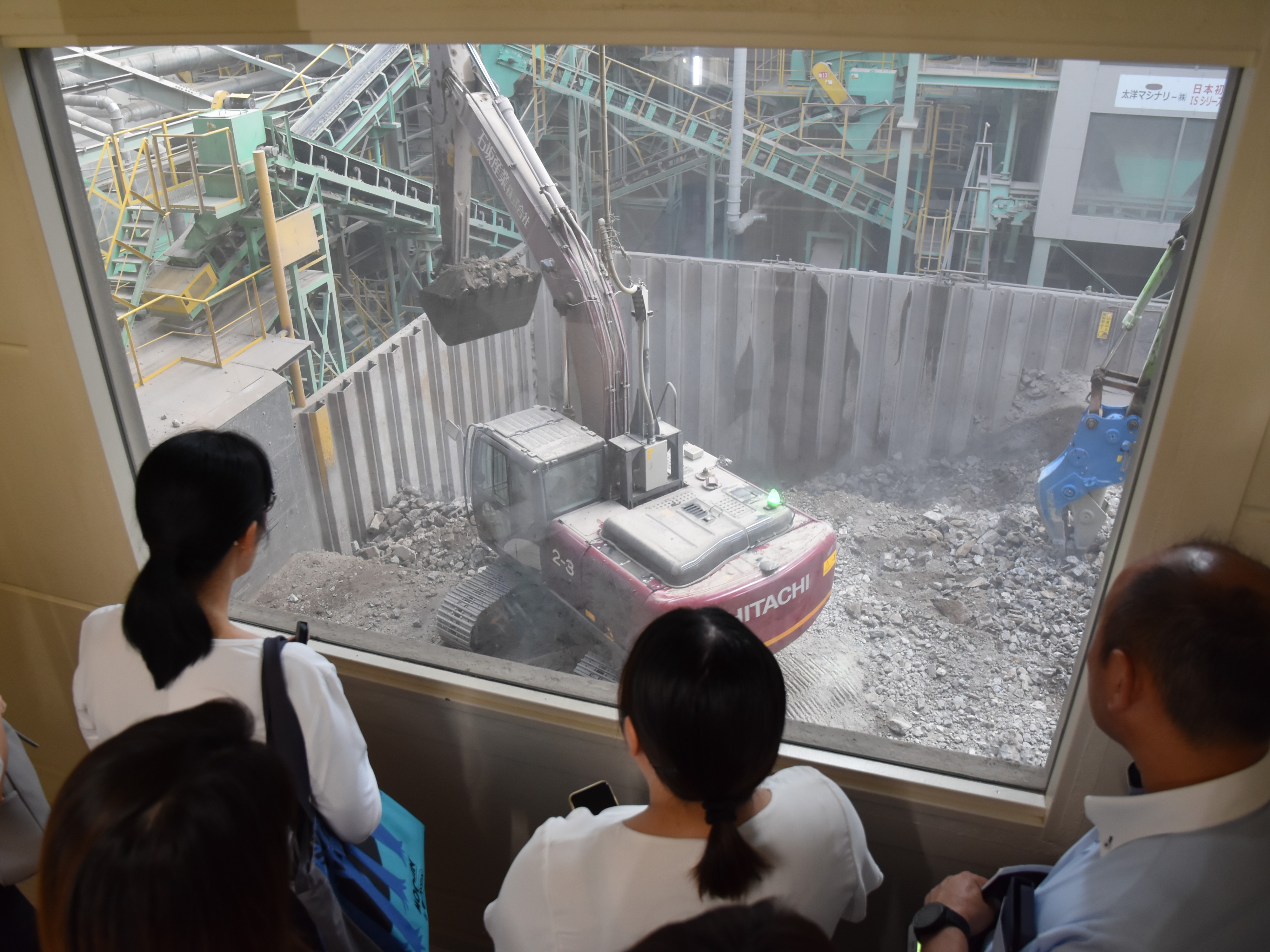
Facility Tour and Training Program
We offer factory tours throughout the year that are open to all visitors.Our programs include tours designed for adults, family-friendly tours for parents and children, as well as tours tailored for companies and organizations.We provide customized courses based on your needs, including the theme, budget, and available time.
Contact Us
For inquiries regarding industrial waste acceptance, media interview requests, or consultations about collaboration and partnerships, please contact us here.