
“Santome Konjakumura” has been certified as a “Nature Coexistence Site” by the Ministry of the Environment
Ishizaka Inc. (Headquarters: Miyoshi-machi, Saitama Prefecture; President: Noriko Ishizaka) is pleased to announce that its environmental education site, “Santome Konjakumura,” was certified by the Minister of the Environment on March 18th, becoming the fifth site in Saitama Prefecture to be designated as a “Nature Coexistence Site” by the Ministry of the Environment.
The “Nature Coexistence Site” program, launched in fiscal year 2023, recognizes areas where biodiversity conservation efforts are being made through private initiatives, such as corporate forests, rural areas, and urban green spaces. This is one of Japan’s concrete efforts toward achieving its 2030 mission of “Nature Positive,” which aims to halt and reverse biodiversity loss. Going forward, “Santome Konajakumura” will be registered in the international database as an Other Effective Area-Based Conservation Measure (OECM), contributing to the achievement of the “30by30 Goals” of the 30by30 Alliance for Biodiversity (Note 1), of which Ishizaka Inc. has been a member since 2022.
This certification recognizes Santome Konjakumura for its efforts to preserve local biodiversity as an experiential environmental education field, and for its various initiatives to preserve traditional culture by utilizing the natural resources of the area’s satoyama landscape.
Specifically, the site was recognized for its efforts to preserve the Musashino Leaf Compost Farming Method (Note 2), which was recognized as a Globally Important Agricultural Heritage System in July 2023; its use as an experiential environmental education field; its in-house monitoring system, which is certified by the Japan Habitat Evaluation and Certification Program (JHEP) (Note 3) by the Ecosystem Conservation Society-Japan; and its well-established management system, including regeneration tree cutting and undergrowth clearing.
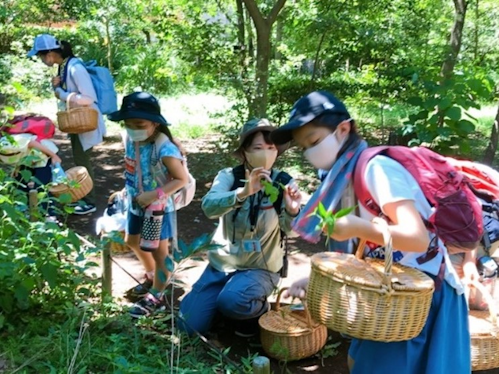
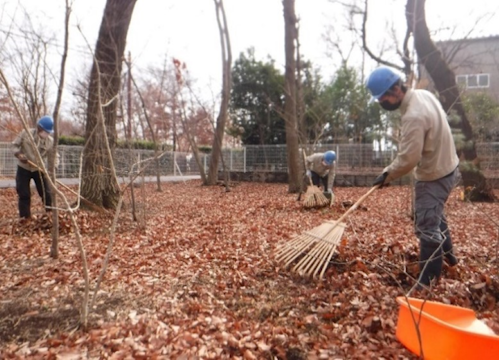
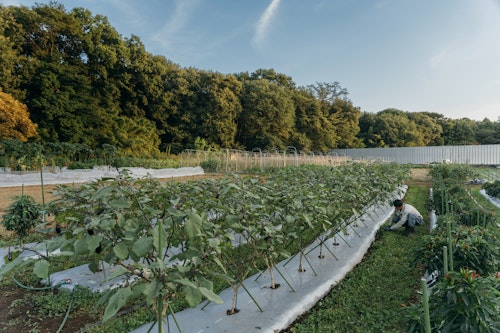
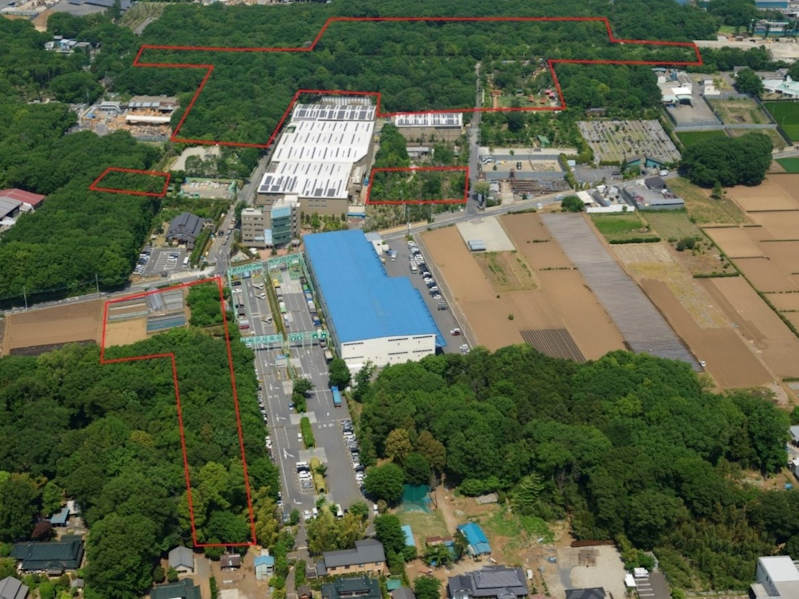
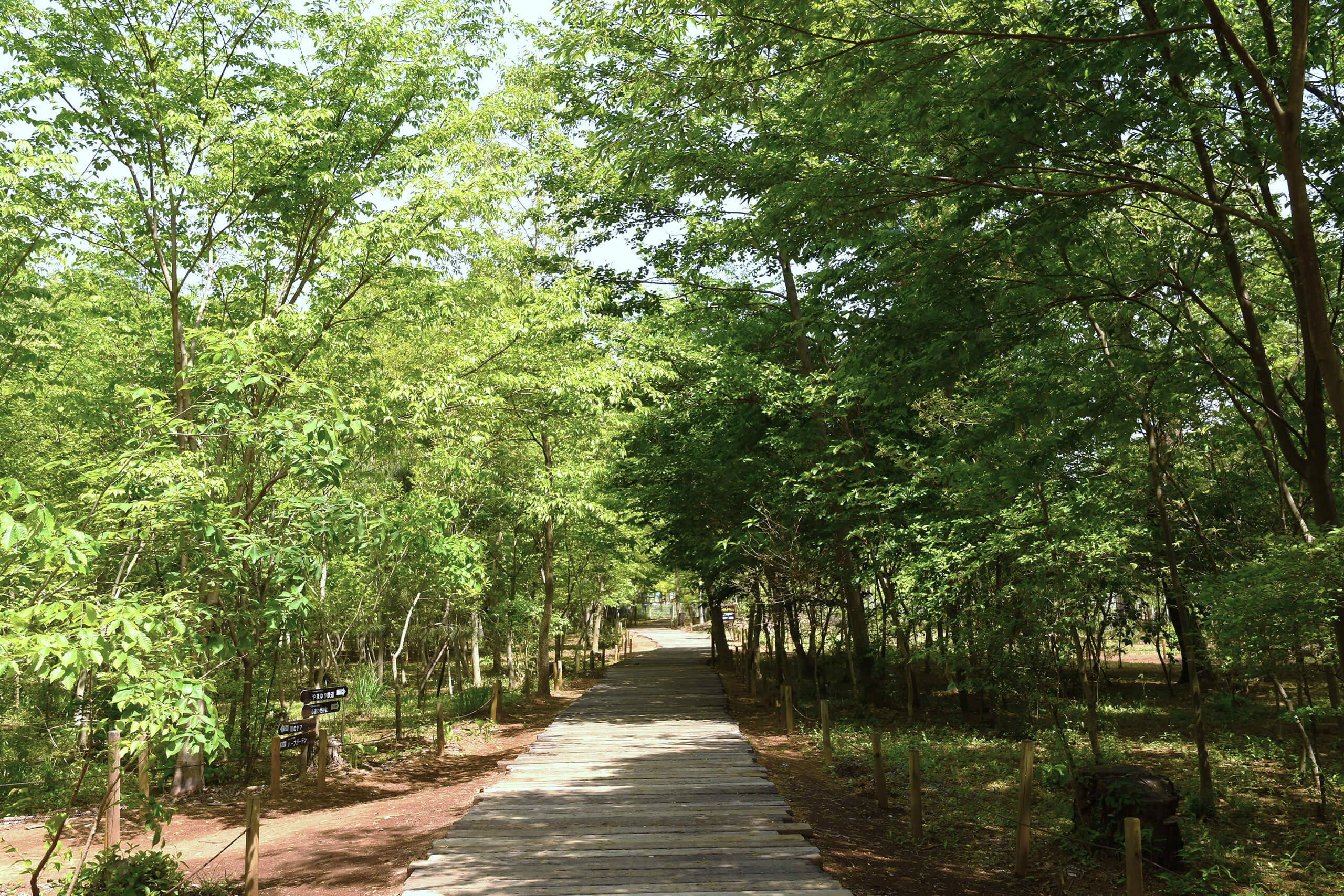
Santome Konjakumura is a satoyama landscape spanning two cities and one town: Iruma District Miyoshi Town, Tokorozawa City, and Kawagoe City in southern Saitama Prefecture. Located in an area known as Santome-shinden, which was developed during the Edo period, this area has been practicing the “Musashino Leaf Compost Farming Method,” a 330-year-old method of soil improvement, in which fallen leaves from this flatland forest are raked and used as compost in fields. Over the years, this area has become neglected and subject to repeated illegal dumping. To restore it to its original state, the area has earned and maintained the highest AAA (Triple A) rating in Japan under the JHEP certification program, which objectively and quantitatively visualizes the area’s contribution to biodiversity conservation. Currently, the area is an experiential environmental education field, attracting over 60,000 visitors annually, including students and corporate executives, from over 50 countries. It is also the only site in Saitama Prefecture certified as a “Certified Place for Experience Opportunities” by the Ministry of the Environment (Note 4).
Santome Konjakumura will continue to actively promote biodiversity restoration, including the preservation of satoyama and hands-on environmental education, as a place to “reconnect nature, culture, and people” in the region.
(Note 1) 30by30 (Thirty by Thirty) Goal: To achieve the goal pledged at the G7 Summit in June 2021 to “conserve and protect at least 30% of a country’s terrestrial and marine areas by 2030,” this goal aims to effectively conserve more than 30% of its land and marine ecosystems as healthy ecosystems by 2030. The Alliance was established as a voluntary coalition of government agencies, including the Ministry of the Environment, companies, and NPOs, with the aim of building a system to achieve the 30by30 goal domestically. To date, more than 600 organizations have participated.
(Note 2) Musashino Leaf Compost Farming: A traditional farming method using fallen leaves from flatland forests, which has been practiced for over 300 years since the Edo period, was recognized as a Globally Important Agricultural Heritage System by the Food and Agriculture Organization of the United Nations (FAO) on July 5, 2023.
(Note 3) JHEP Certification: Japan’s only certification system, established by the Ecosystem Conservation Society-Japan, a public interest incorporated foundation, that objectively and quantitatively evaluates, certifies, and visualizes contributions to biodiversity conservation.
(Note 4) Experience opportunity space: A space for experience activities that meets the safety standards based on the Environmental Education Promotion Act and provides high-quality nature experience activities, social experience activities, and other experience programs.
[Santome Konjakumura]
https://santome-community.com/
[Nature Coexistence Site Certified Site]
https://policies.env.go.jp/nature/biodiversity/30by30alliance/kyousei/nintei/index.html
[30 by 30 Alliance for Biodiversity]
https://policies.env.go.jp/nature/biodiversity/30by30alliance/
[Musashino Leaf Compost (certified as a Globally Important Agricultural Heritage System)]
https://www.town.saitama-miyoshi.lg.jp/news/2023-0706-1243-34ochibataihinouhou.html

Facility Tour and Training Program
We offer factory tours throughout the year that are open to all visitors.Our programs include tours designed for adults, family-friendly tours for parents and children, as well as tours tailored for companies and organizations.We provide customized courses based on your needs, including the theme, budget, and available time.
Contact Us
For inquiries regarding industrial waste acceptance, media interview requests, or consultations about collaboration and partnerships, please contact us here.