Intermediate Treatment of Industrial Waste
Toward 100% Resource Recycling
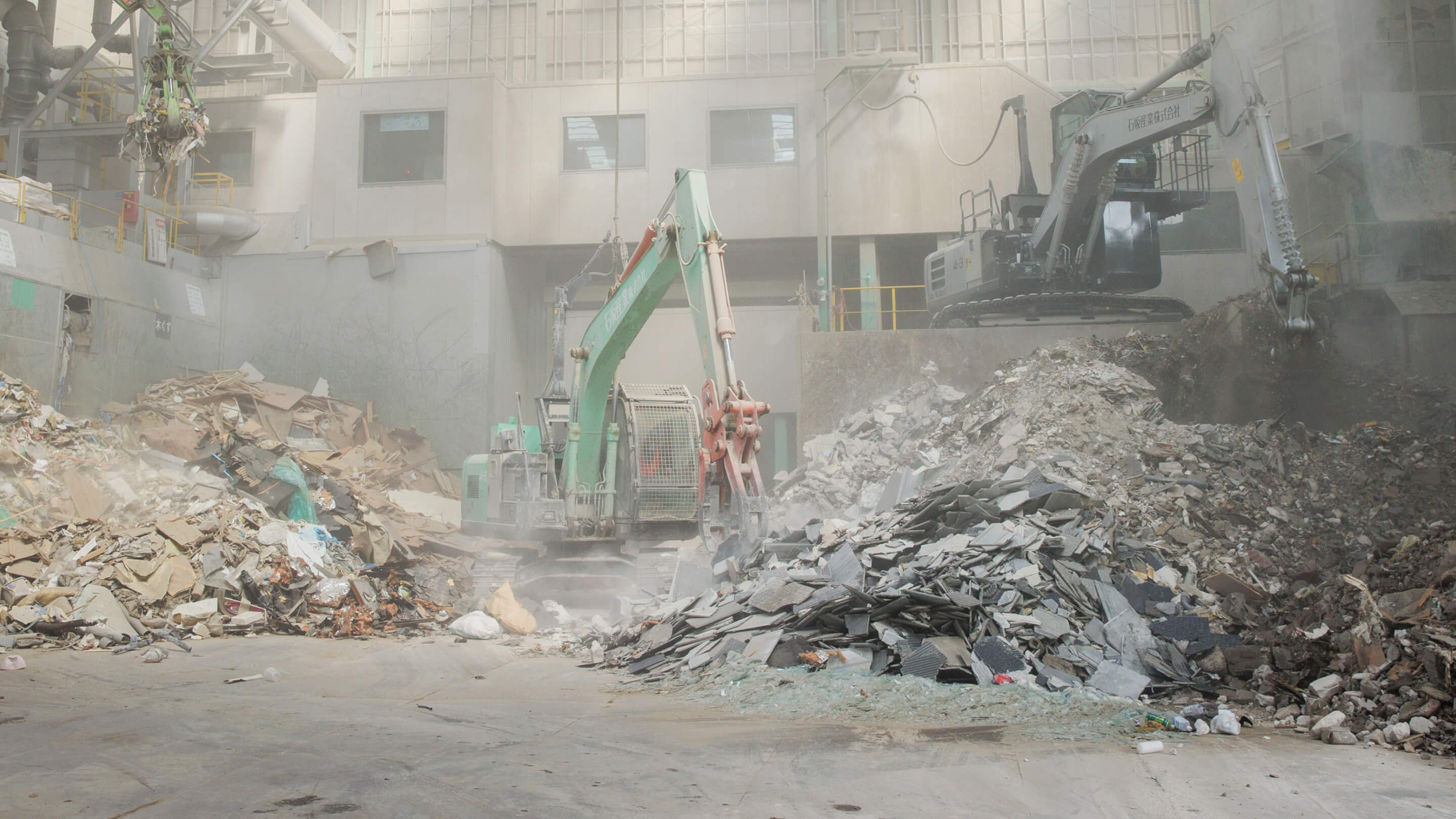
At Ishizaka Inc., we perform intermediate treatment of industrial waste to regenerate it as valuable resources. By combining our patented equipment designs with meticulous manual sorting performed by our skilled staff, we achieve highly precise separation and classification — even for waste streams traditionally deemed difficult to recycle. Through continuous research and development, we have achieved an industry-leading volume reduction and resource recovery rate of 98%.
No matter the waste, we are committed to transforming it back into valuable resources. We will never stop challenging ourselves on the path toward 100% resource recycling.
Solutions Provided by Ishizaka Inc.
Intermediate Treatment of Industrial Waste
Acceptable Waste Types Include:
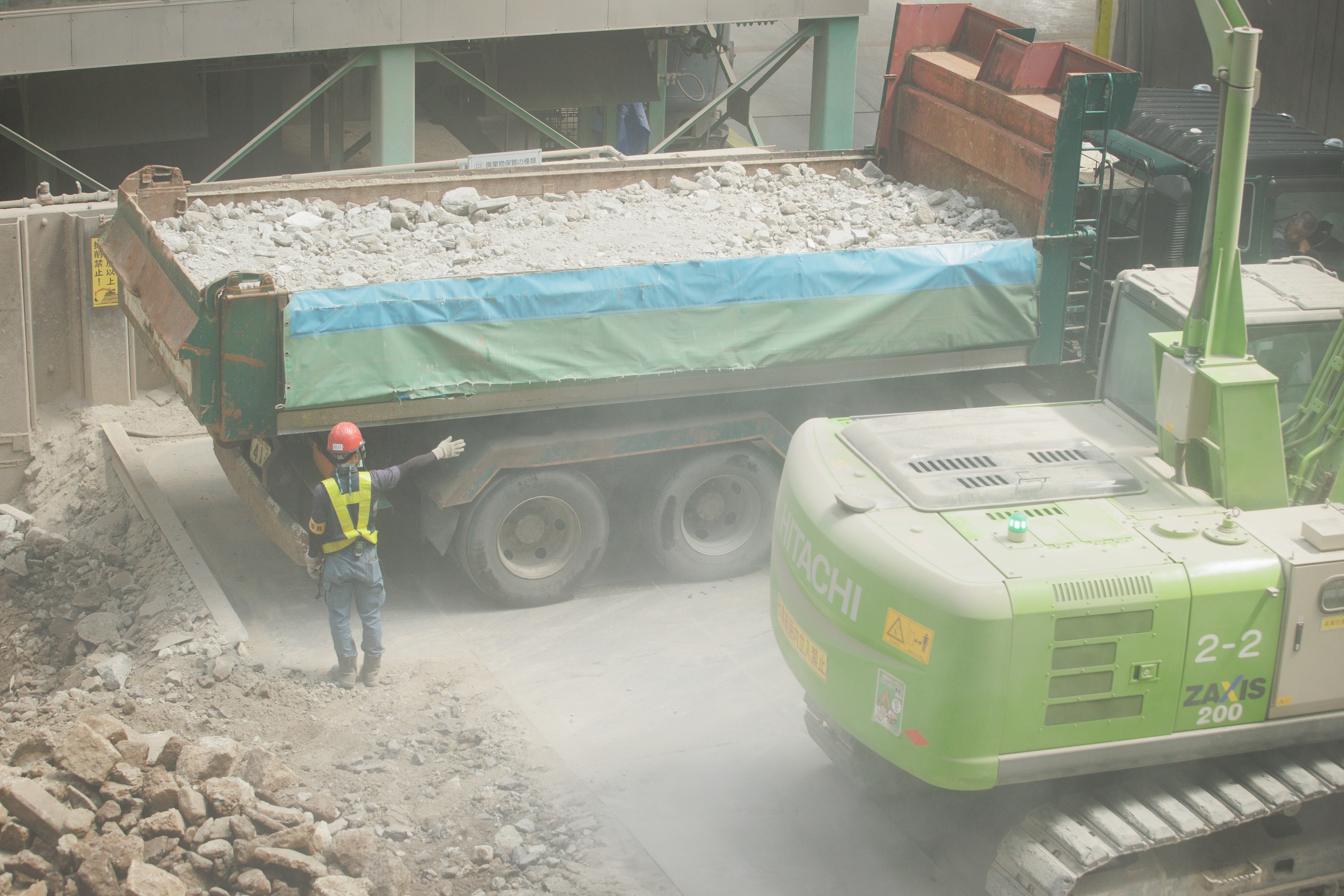
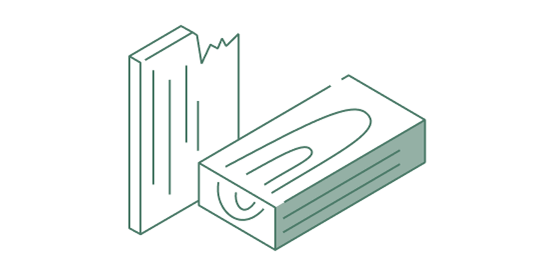
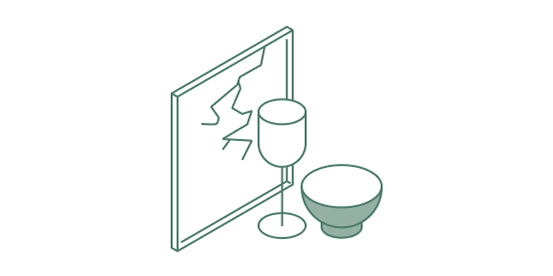
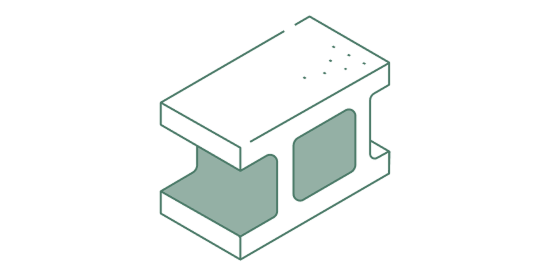
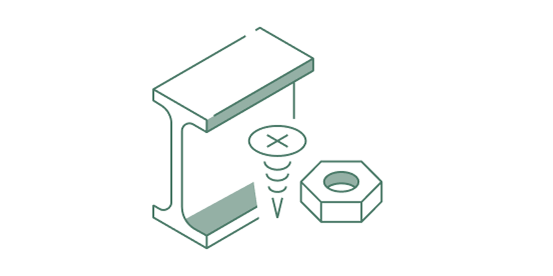
We accept seven categories of industrial waste, including mixed construction debris that contains rubble, wood waste, metal scraps, and more. Ishizaka Inc. holds permits from numerous local governments for the collection and transportation of industrial waste, and we handle everything from collection and transport to transfer, storage, and treatment.

Asbestos-Containing Industrial Waste (Transfer and Storage)
Asbestos-Containing Industrial Waste (Transfer and Storage)
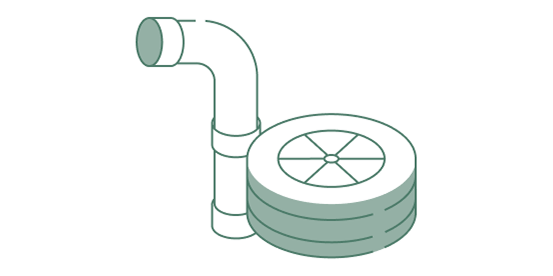
Asbestos-Containing Industrial Waste (Transfer and Storage)
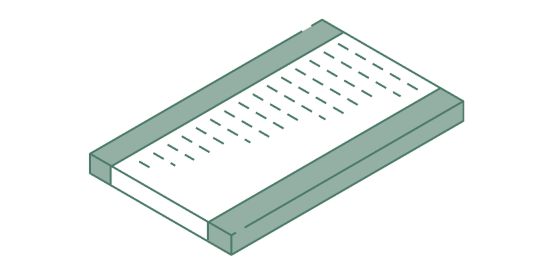
End-of-Life Solar Panel Recycling
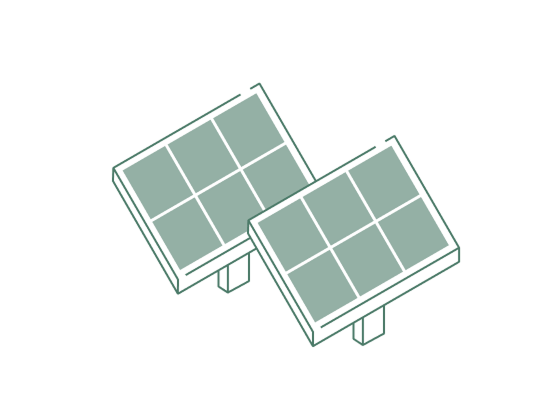
We have newly established a dedicated recycling plant for end-of-life solar panels (“Solar Panel Resource Recovery Facility”), which began accepting panels on June 2, 2025. As renewable energy adoption accelerates globally, we are advancing the recycling of solar panels that reach the end of their lifecycle after 20–30 years, creating new value and advancing technical capabilities.
Ishizaka Inc. opens new “Photovoltaic Recycling Plant” in Iruma City, Saitama Prefecture
Environmental Analysis
We operate research facilities in partnership with affiliated companies to conduct asbestos and soil analyses. These environmental and safety checks are part of our comprehensive approach prior to resource recovery, including investigations of excavation soil, underground objects, and asbestos content.
Technology and Process for High Resource Recovery Rates
Key Treatment Steps
Our multi-stage treatment process combines careful manual sorting with original equipment that utilizes wind, density differences, and more to achieve precise classification. By honing our technology and maintaining high quality standards, we have achieved a 98% rate of volume reduction and recycling.
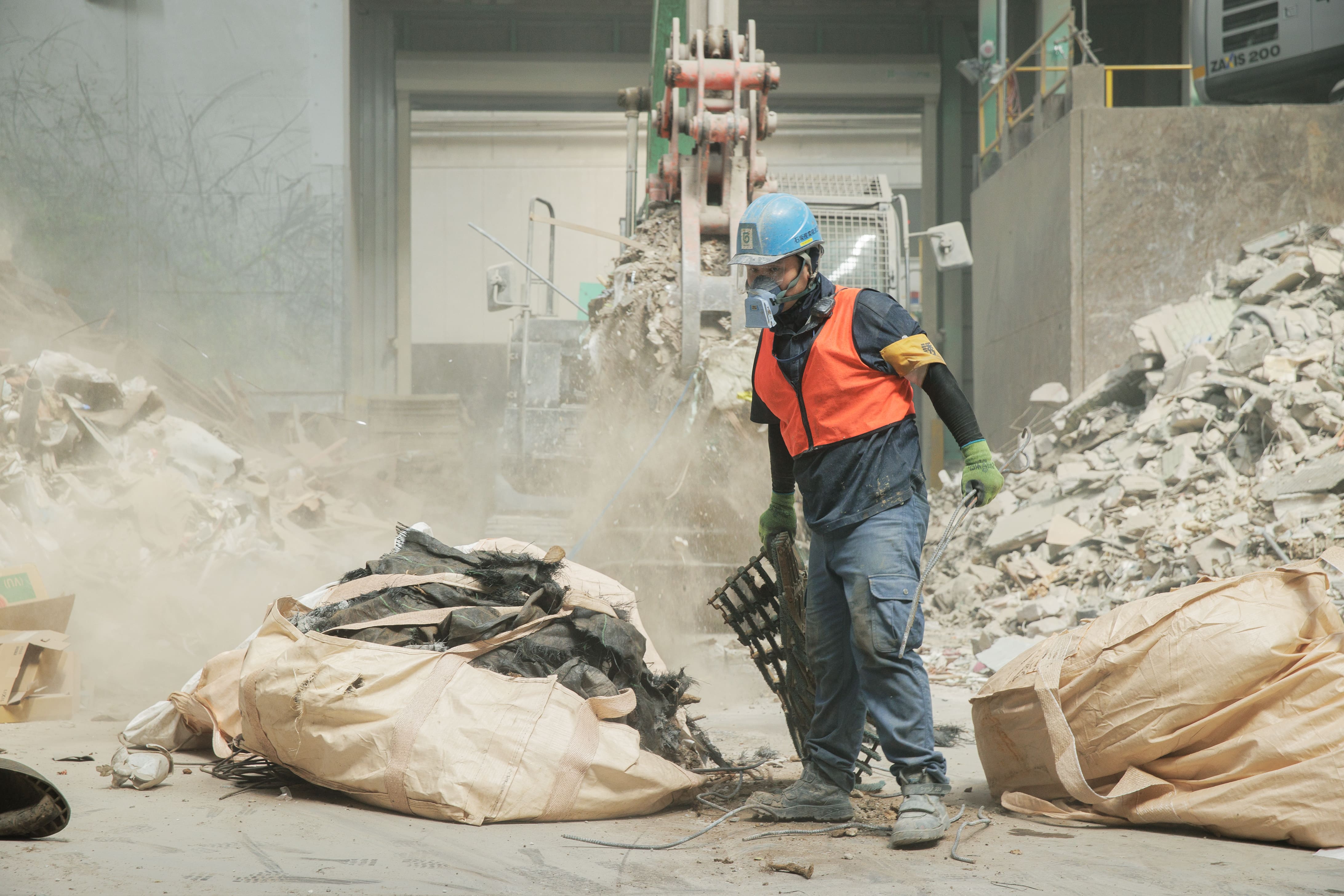
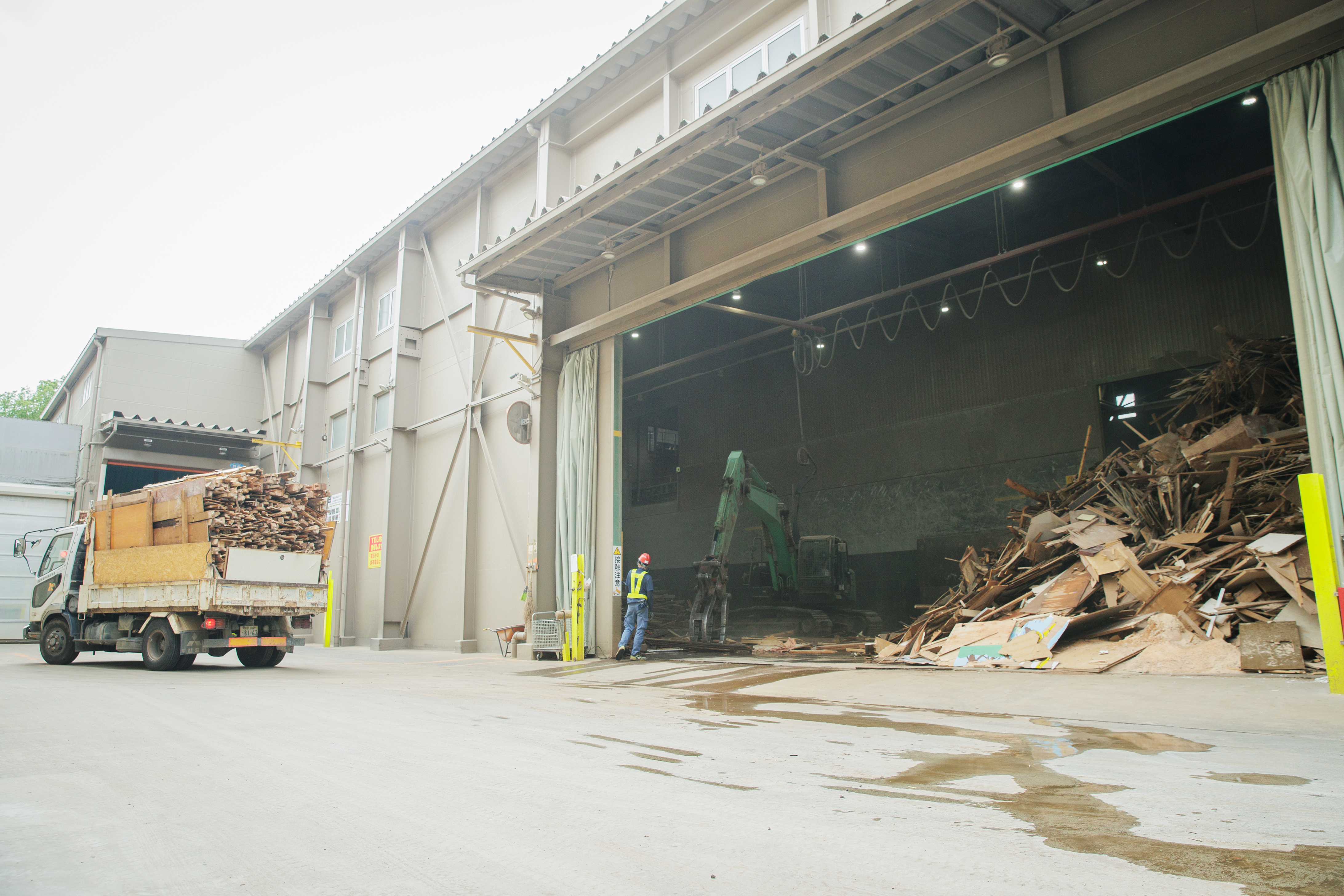
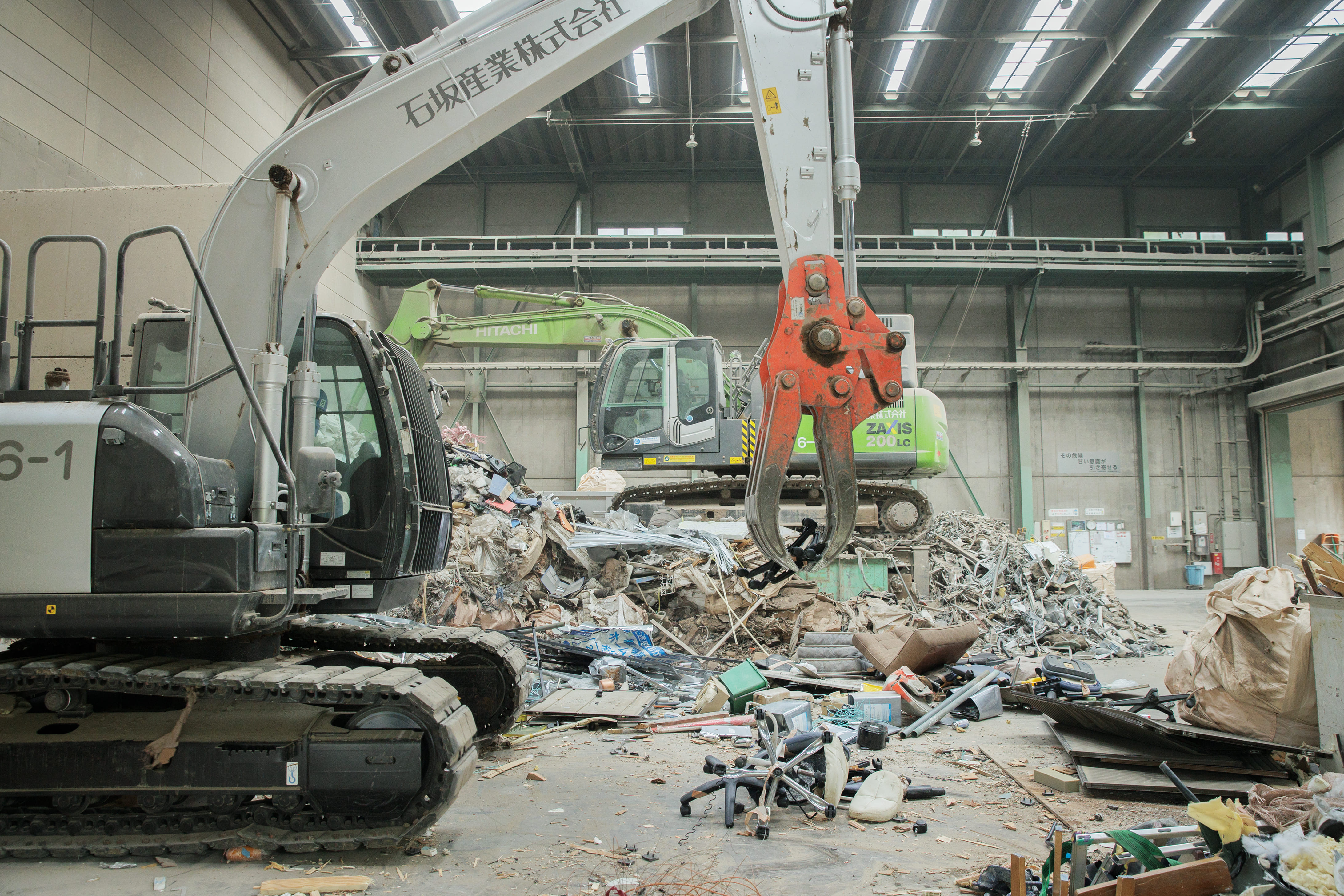
Sorting
Waste transported by truck is unloaded and roughly sorted to identify materials suitable for separation and resource recovery. This process is carried out using heavy machinery and manual work by staff.
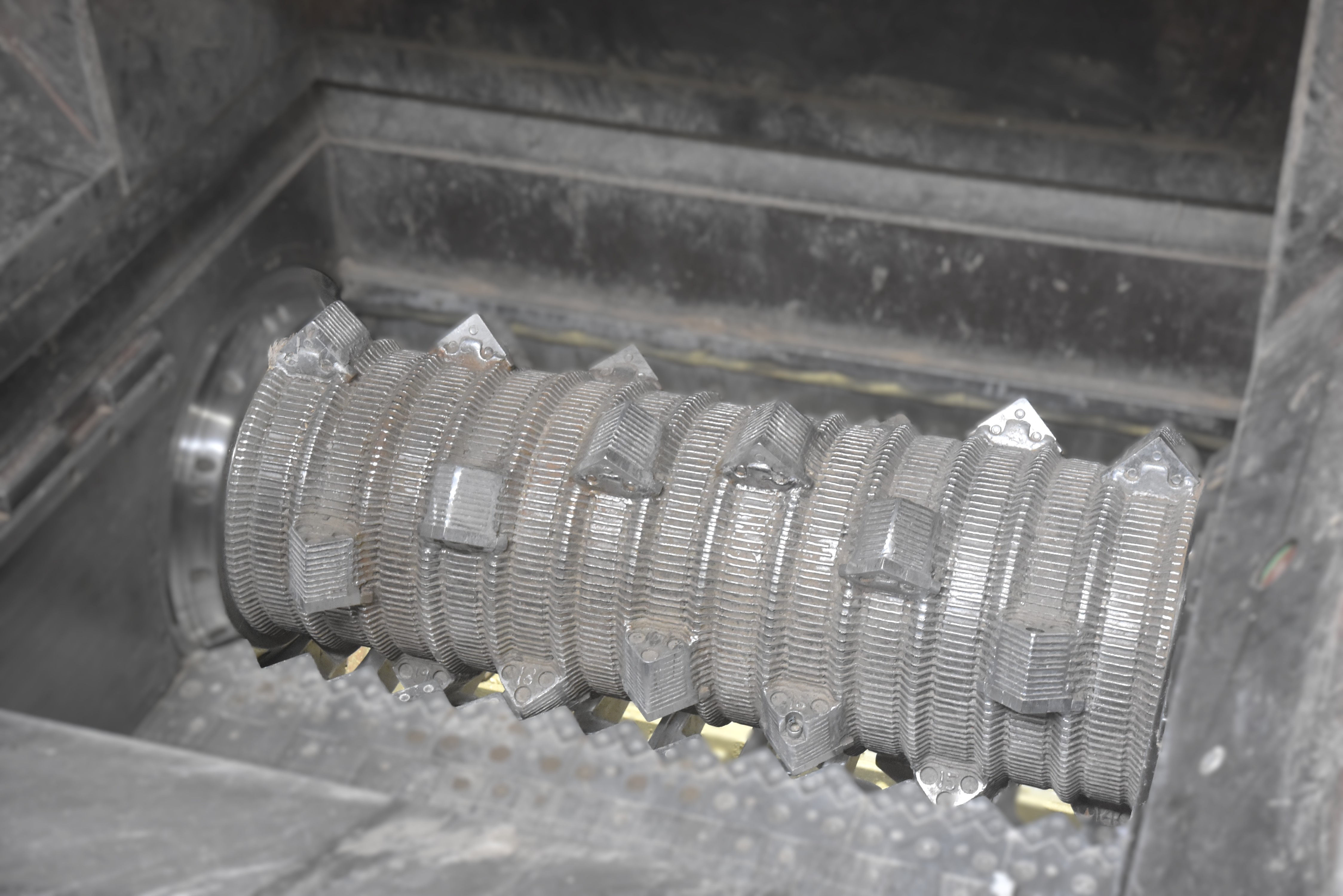
Crushing
Composite construction materials are decomposed and adjusted to the appropriate particle size using a crusher for subsequent sorting.
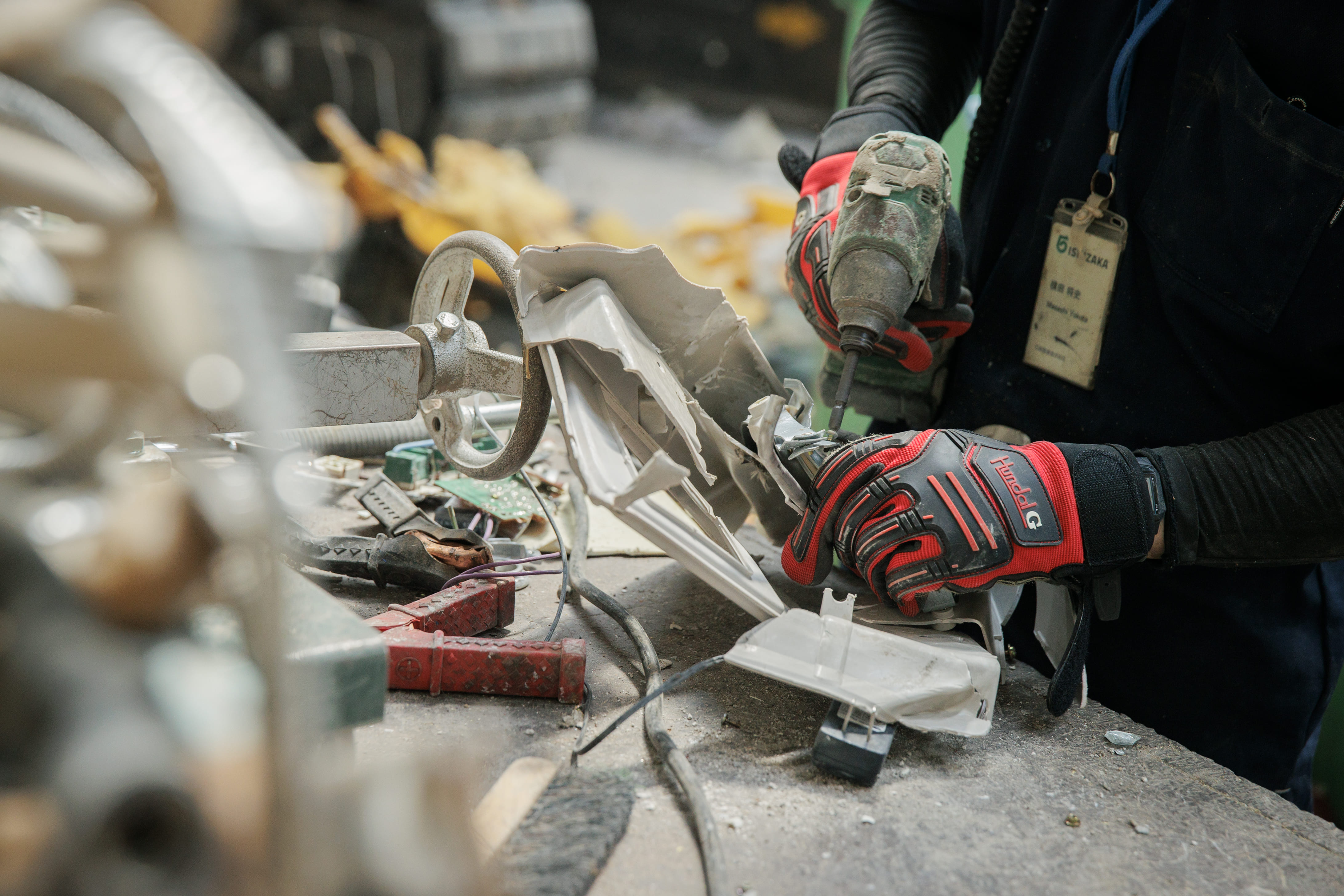
Disassembly and Separation
Using magnetic heavy machinery and manual work by staff, ferrous and non-ferrous materials are finely separated. In addition, unitized housing construction materials are dismantled to separate them by material type.
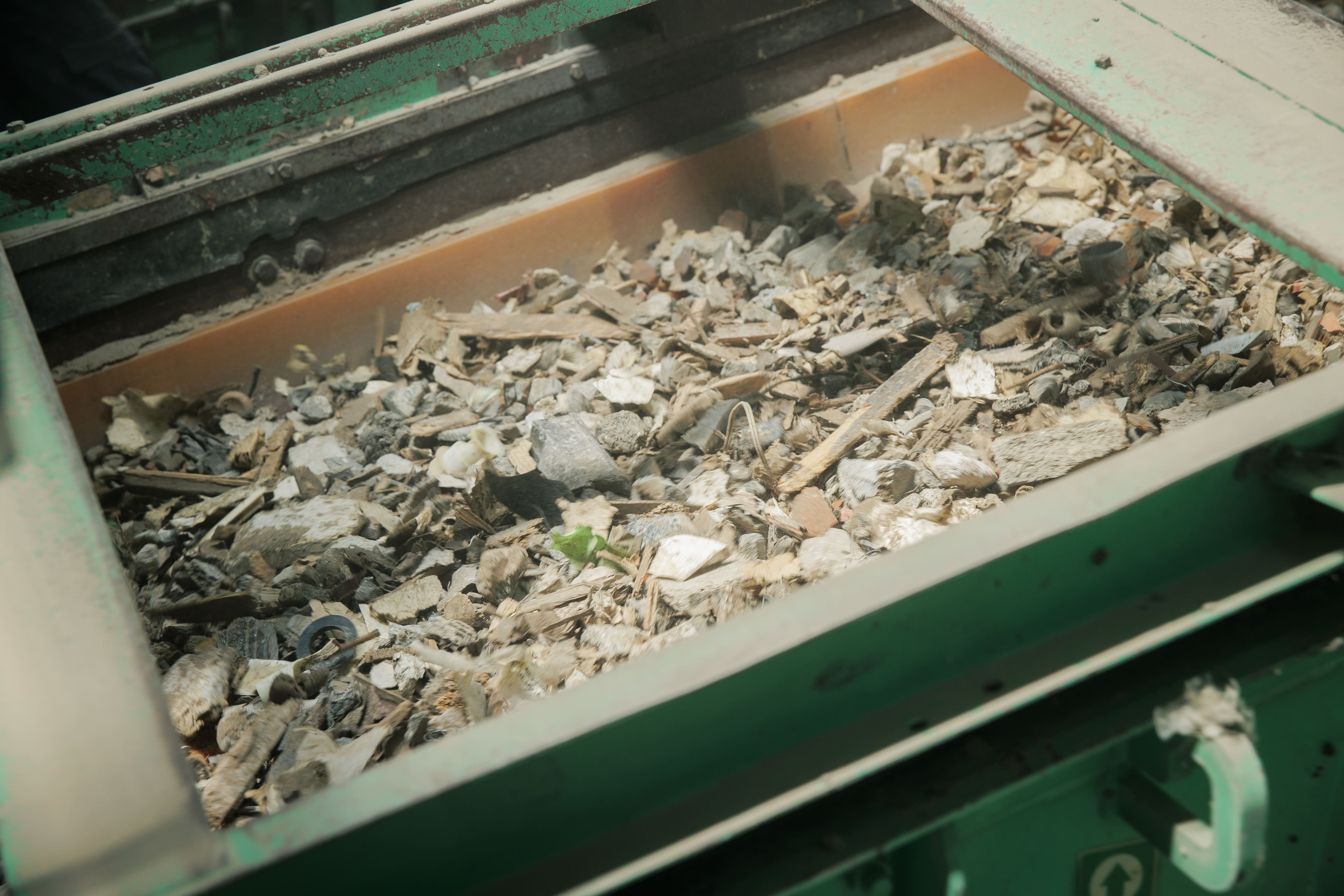
Screening
Waste is classified by particle size using screening equipment, similar to a sieve. Depending on the type of waste, materials pass through the screening process multiple times to achieve higher sorting accuracy.
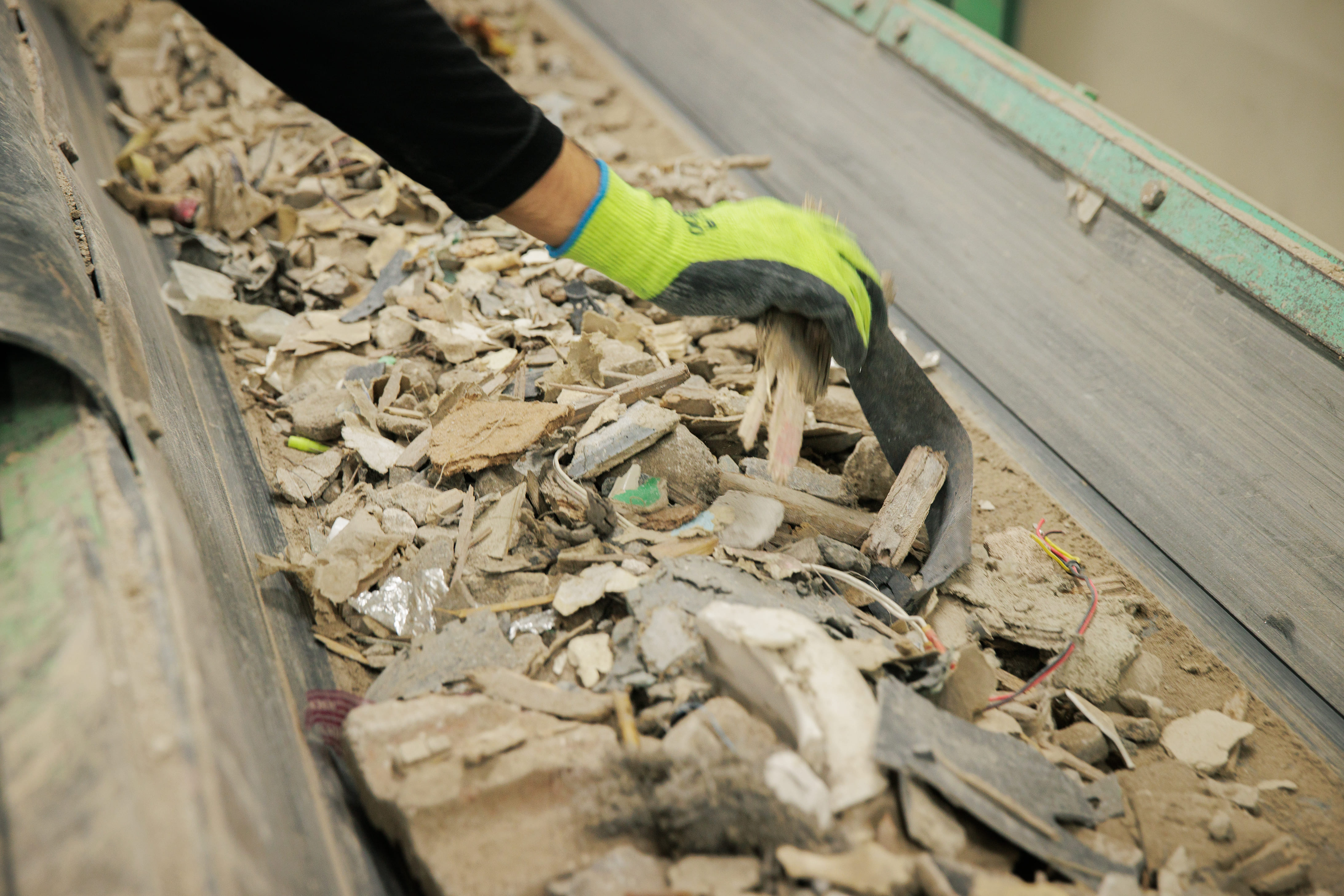
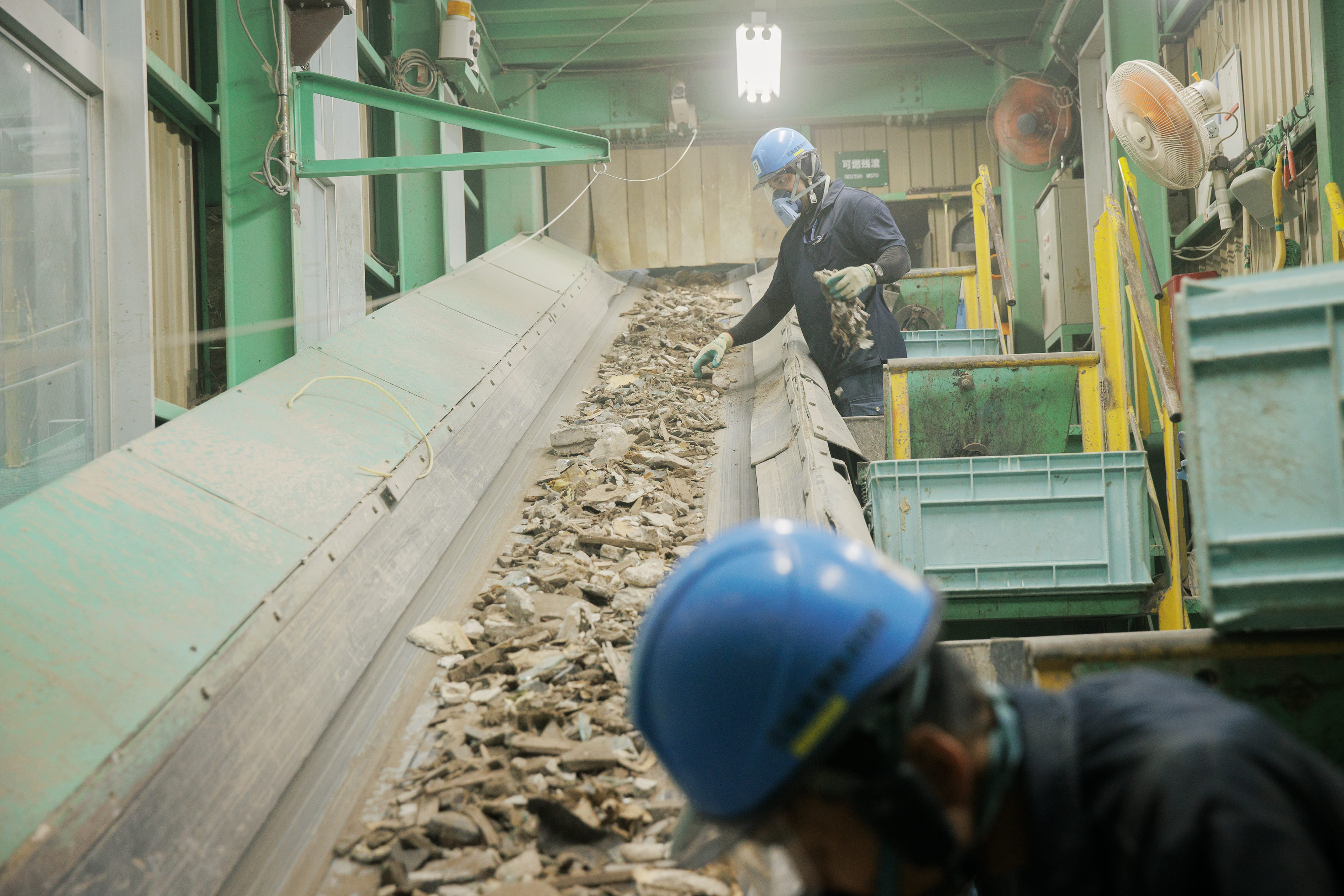
Manual Sorting
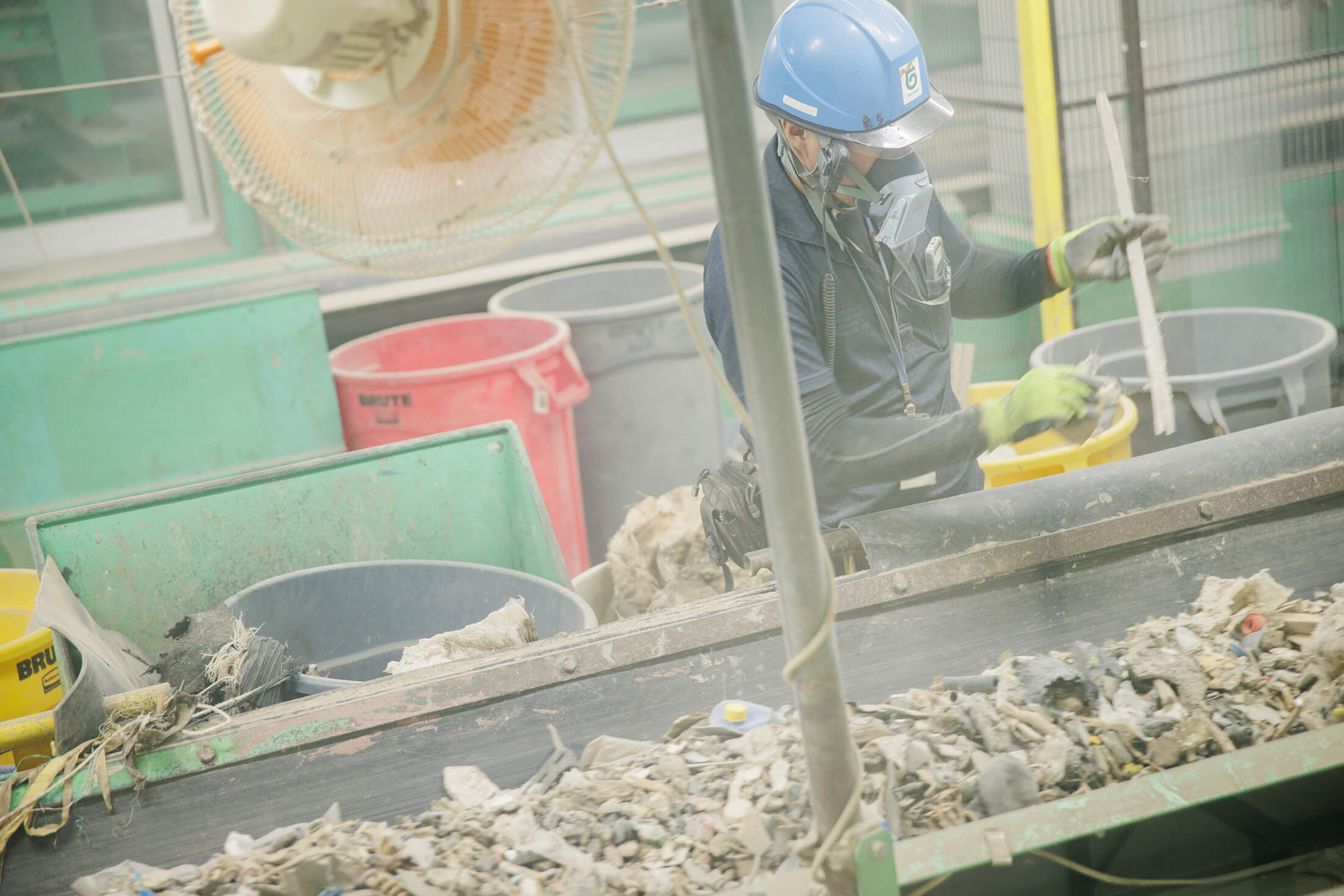
Mixed waste is manually sorted by material type. Even the smallest pieces are carefully sorted so they can be recovered as resources.
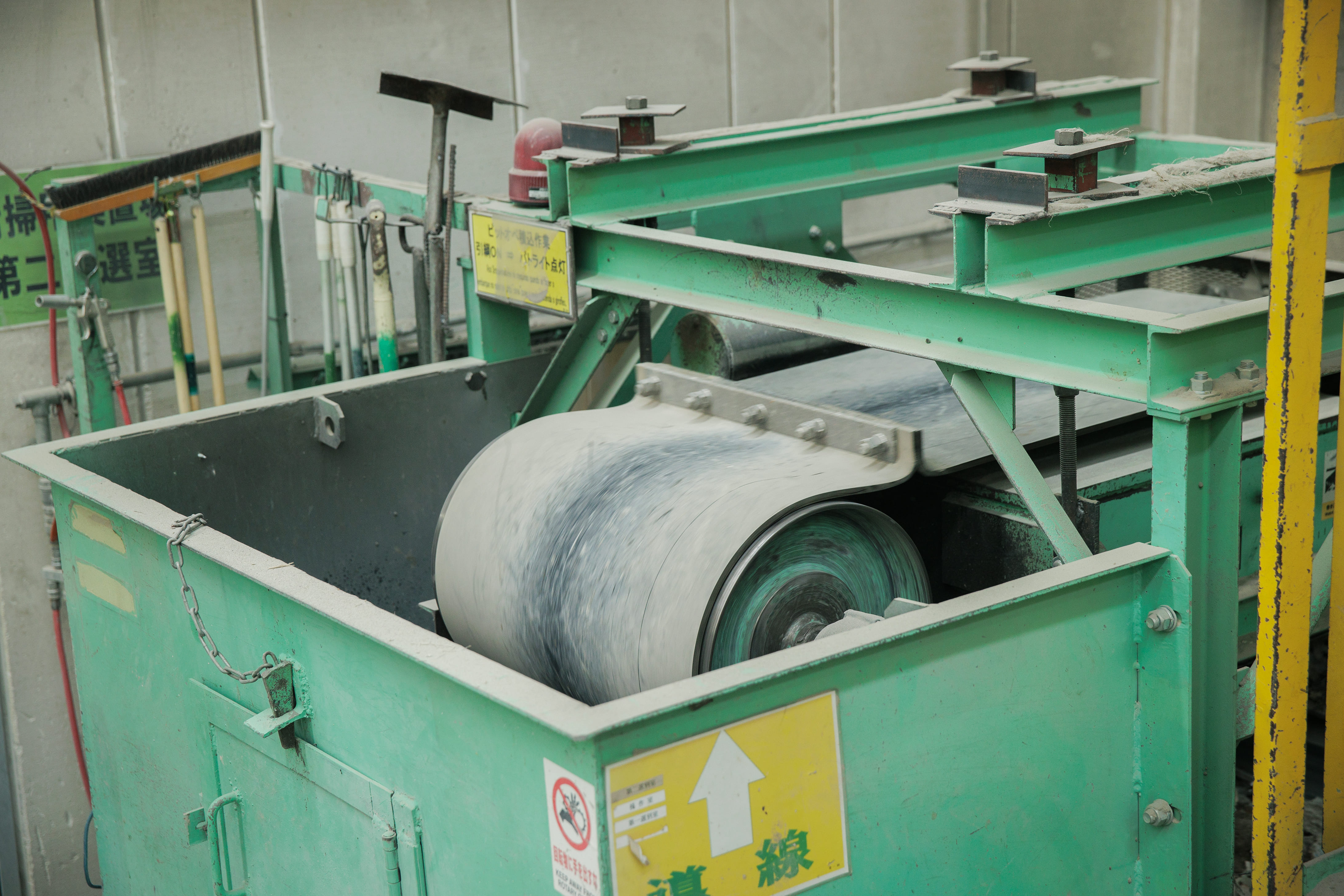
Magnetic Separation
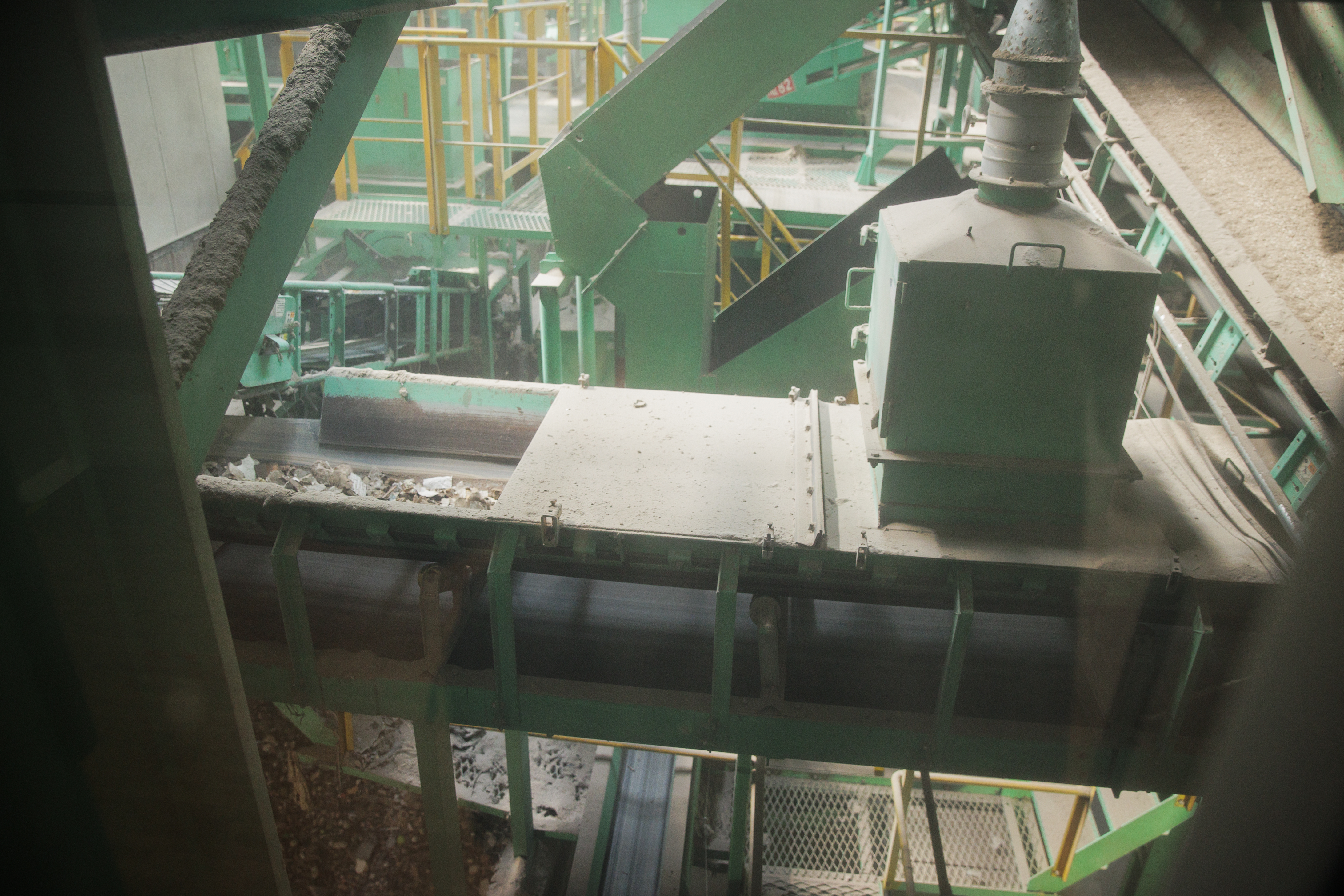
Magnets are used to remove ferrous scrap from waste as it moves along the conveyor belt. The separated metal waste is sent to the Valuable Materials Plant, where it is recycled.
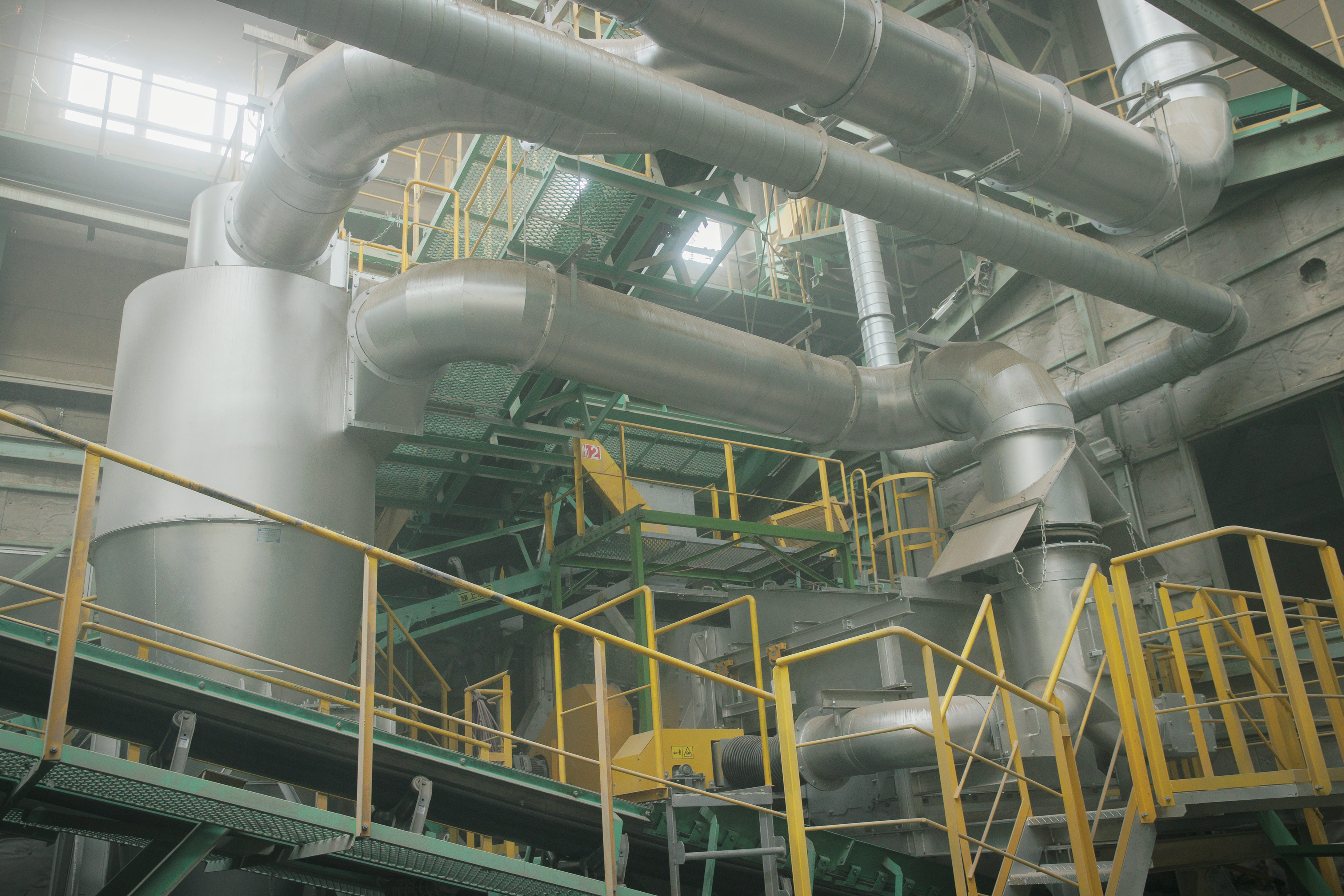
Air Separation
Air flow is used to classify waste by weight. By making particle size uniform, materials can then be separated by type.
All-Weather Plant Facilities
All business plants are consolidated into an independent, all-weather integrated plant, enabling a fully consistent process from waste treatment to resource recycling.
Each plant is designed as a fully indoor facility, allowing equipment and heavy machinery to operate stably at all times.
In a safe working environment unaffected by weather conditions, every employee is able to demonstrate a high level of technical expertise.
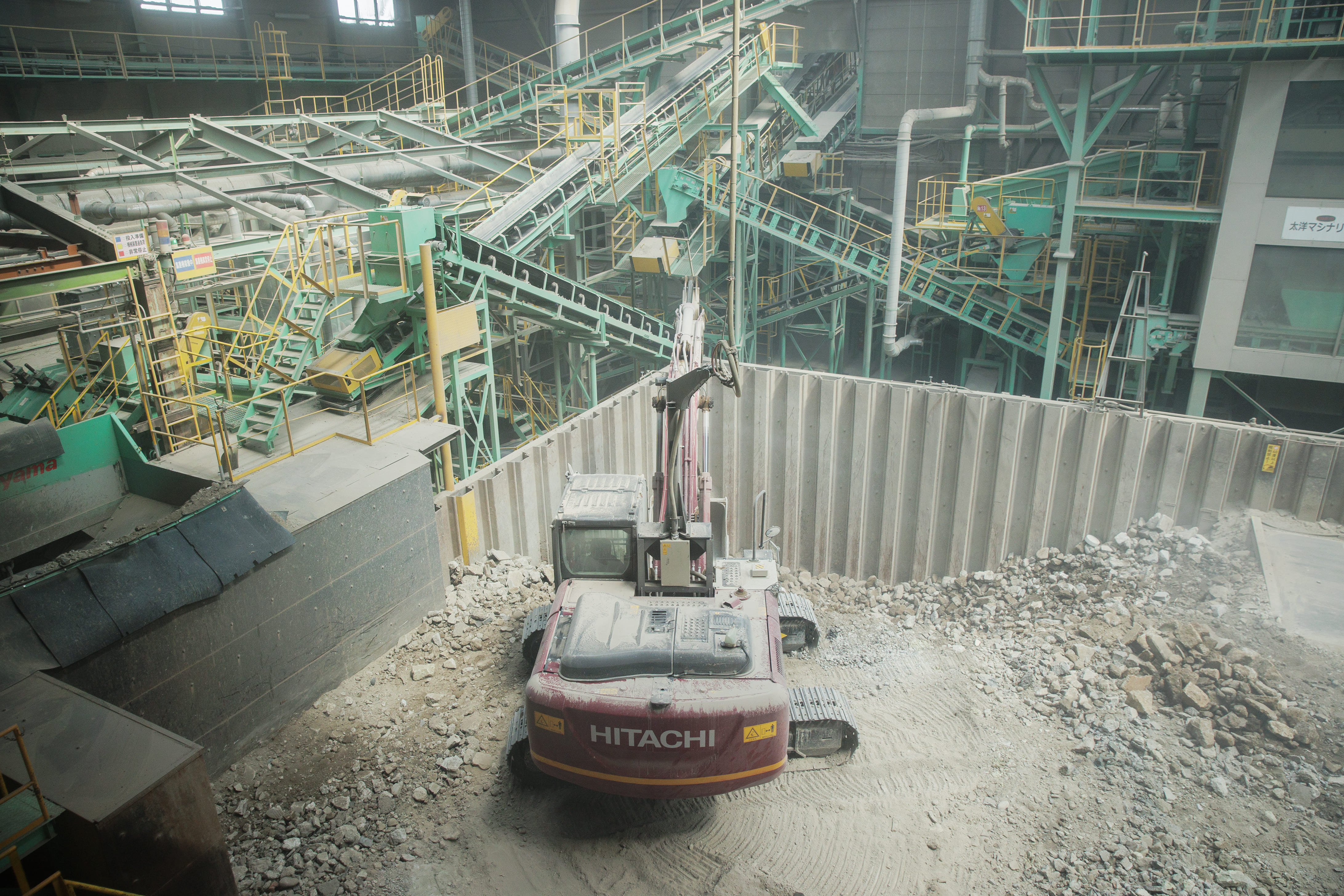
Waste Concrete Recycling Plant
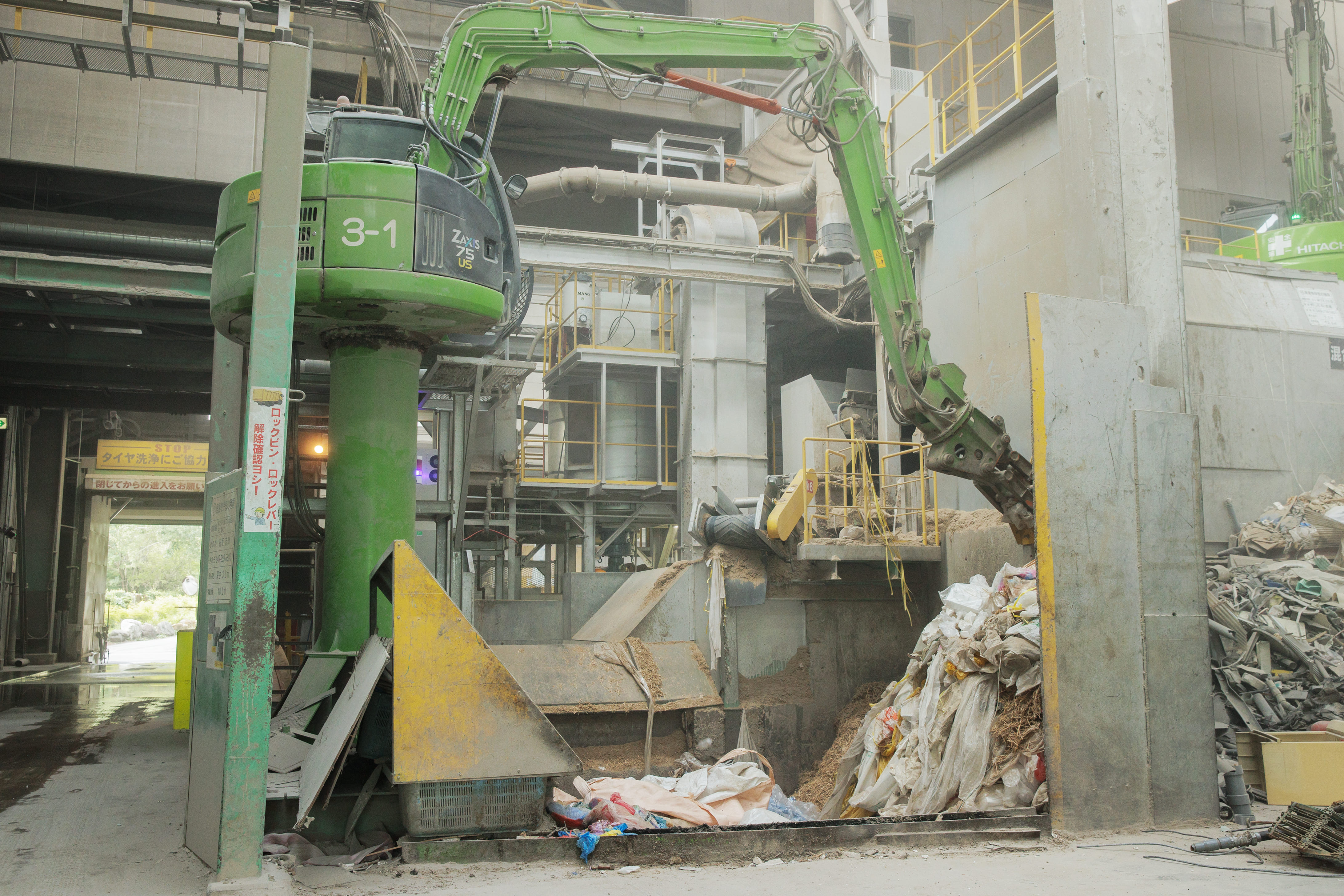
Waste Plastic Plant / Volume Reduction Plant
Sorting and Grading Plant
Chipping Plant
Valuable Materials Plant
Use of Renewable Energy
Along with the introduction of cutting-edge energy-saving technologies, we are promoting a shift to renewable energy and working to build an energy circulation system centered on the satoyama landscape. In 2021, we achieved 100% renewable electricity usage for all power consumed at our headquarters and plants.
Ishizaka Inc. fully adopts renewable energy electricity and achieves 100% renewable energy
For more details on our use of renewable energy, click here.
Collaboration
Introduction of Smart Plant Technologies
To circulate all types of waste as resources, we work hand in hand with a wide range of companies to introduce cutting-edge technologies and take on the challenge of realizing smart plants.
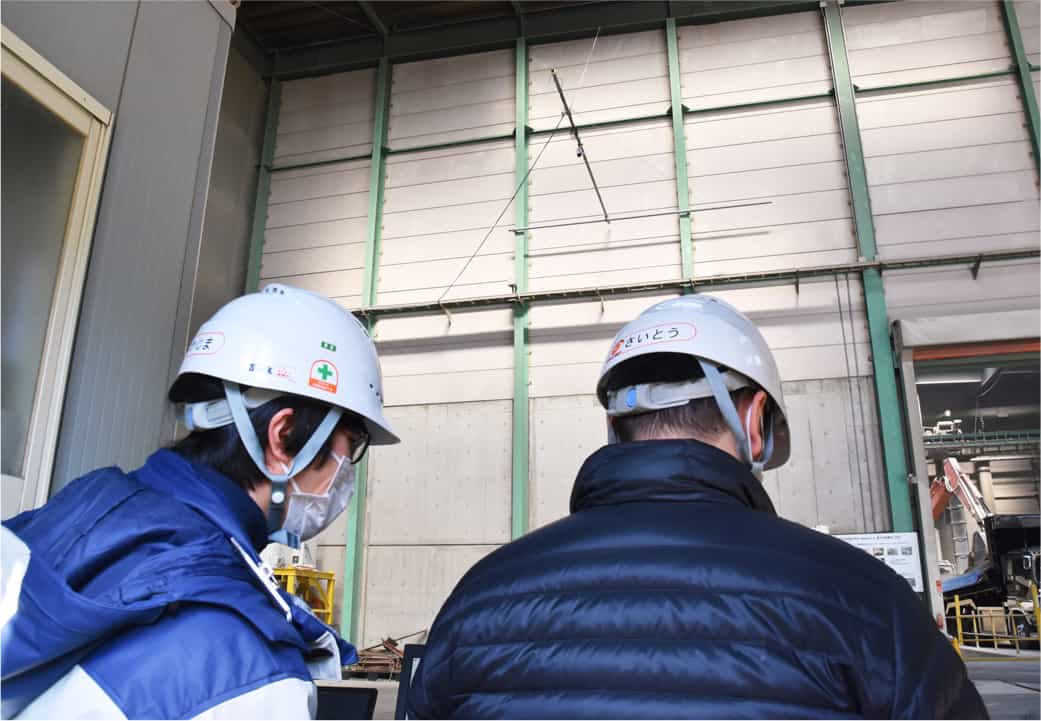
Three-Company Collaboration Toward Realizing Smart Plants / NEC Corporation / Intel Corporation
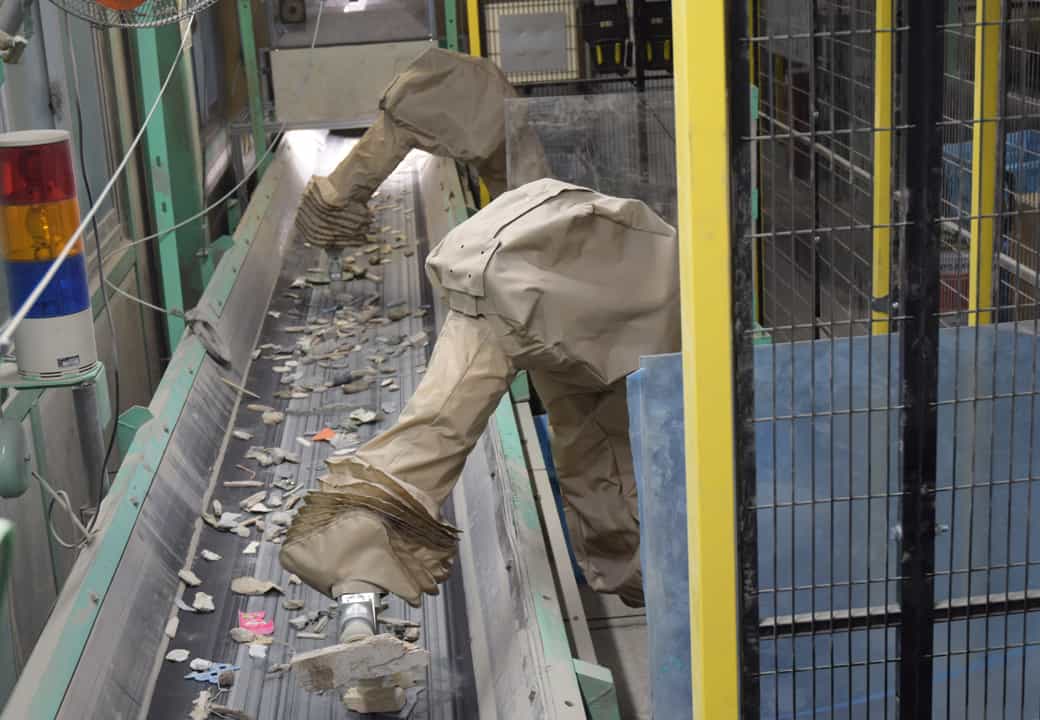
Joint Development of a Waste Sorting Robot / Tokyu Construction Co., Ltd.
Effective Use of Energy
To make effective use of the various forms of energy generated through waste treatment, we are working in collaboration with related organizations and advancing research and development initiatives.
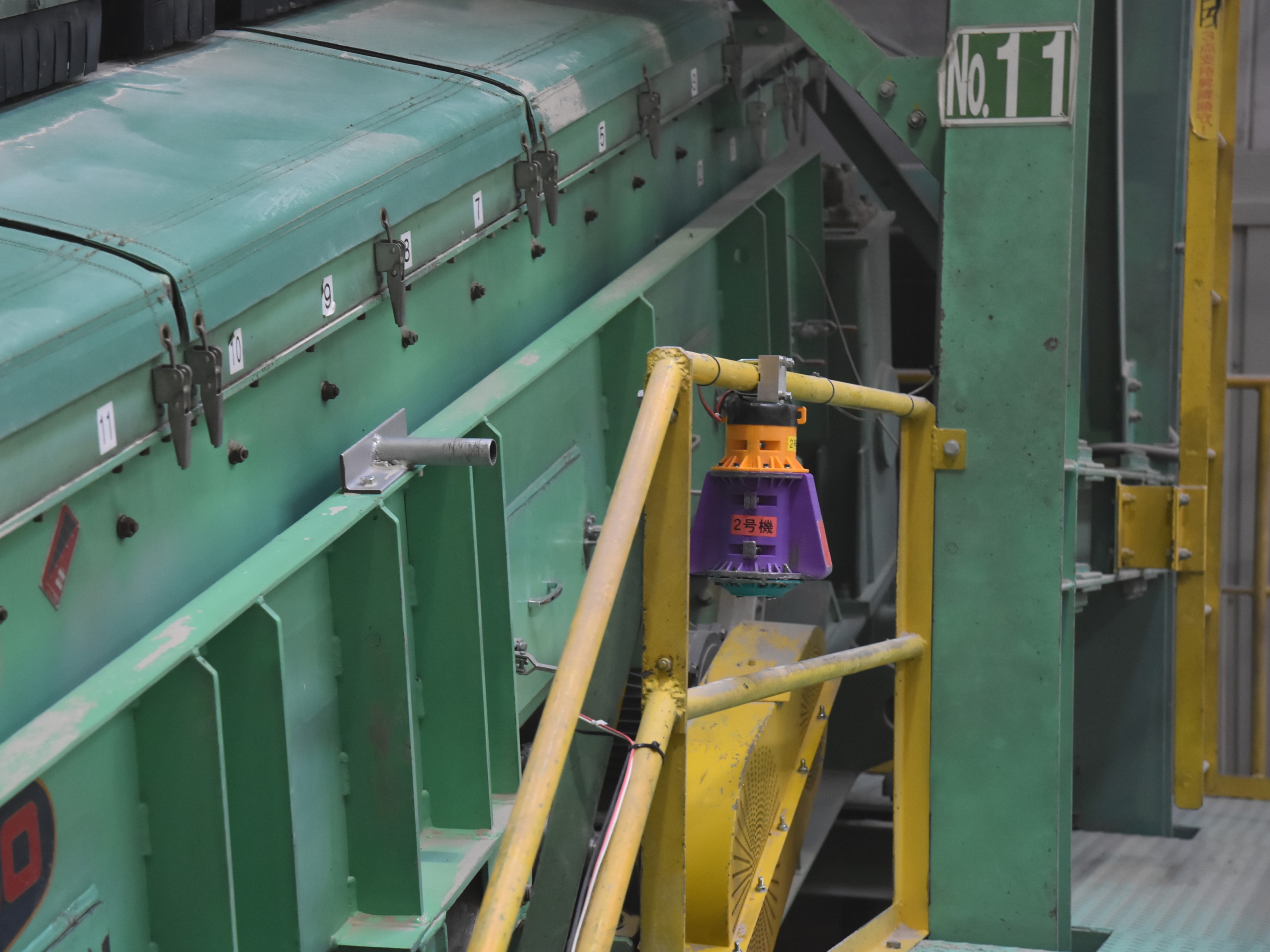
Development of an IoT-Based Vibration and Noise Waveform Measurement Device and Monitoring System / Gunma Industrial Technology Center
Facility Tour and Training Program
We offer factory tours throughout the year that are open to all visitors.Our programs include tours designed for adults, family-friendly tours for parents and children, as well as tours tailored for companies and organizations.We provide customized courses based on your needs, including the theme, budget, and available time.
Contact Us
For inquiries regarding industrial waste acceptance, media interview requests, or consultations about collaboration and partnerships, please contact us here.