Company History
1960s
The Times and Ishizaka
During Japan’s period of rapid economic growth in the 1960s, industrial pollution became a serious problem due to the surge in resource consumption and waste generation. The founder, Yoshio Ishizaka, witnessed firsthand how “still usable” waste was being transported daily to Yumenoshima(an artificial island built for waste landfill), and felt a strong sense of dissonance: “Why are perfectly usable things casually thrown away in this resource-poor country?” His desire to create a society that does not turn waste into mere trash became the very foundation of Ishizaka Inc.
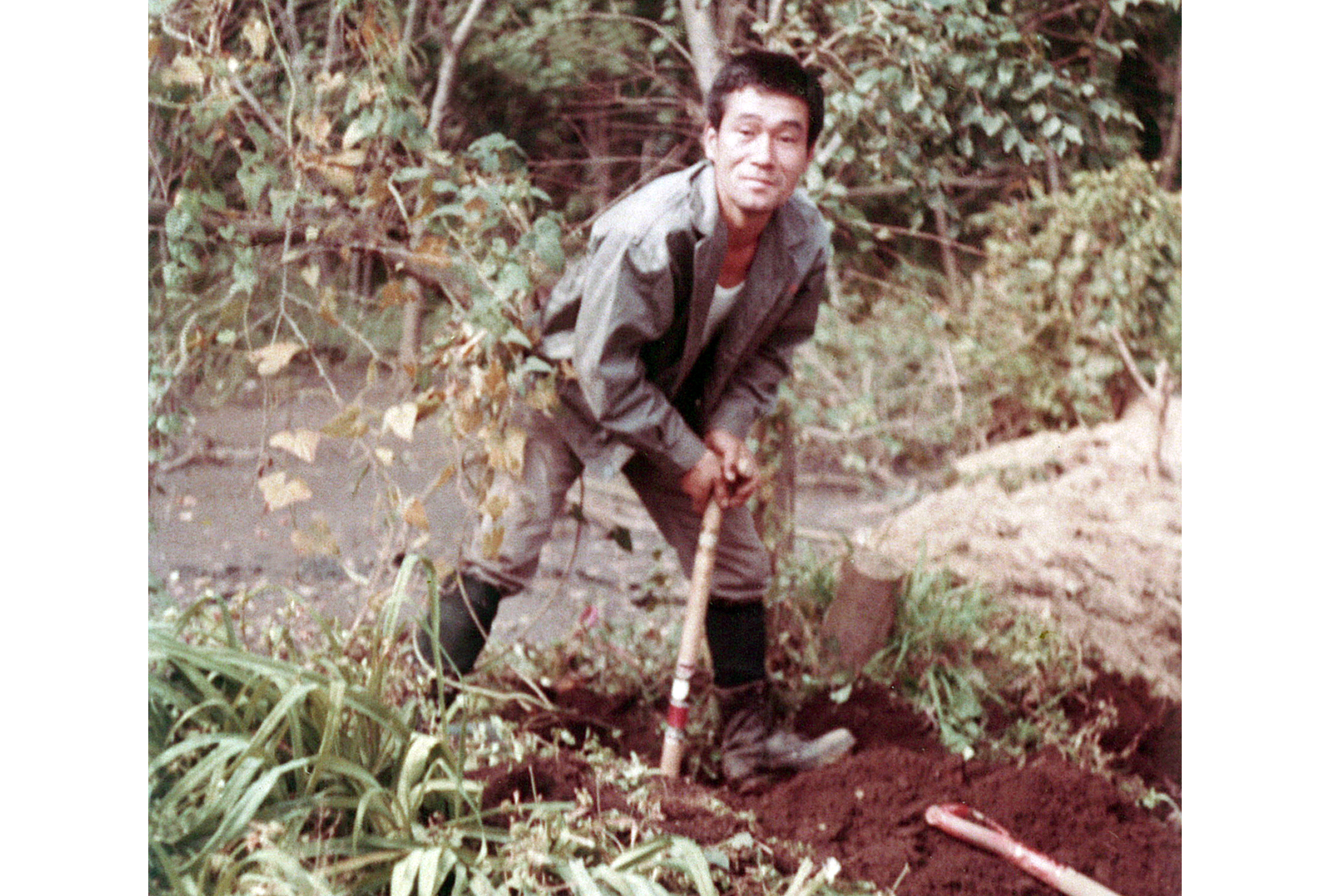
1967
- Jul.
-
- Started earth and sand processing business as Ishizaka-gumi
1970s
1970s
The Times and Ishizaka
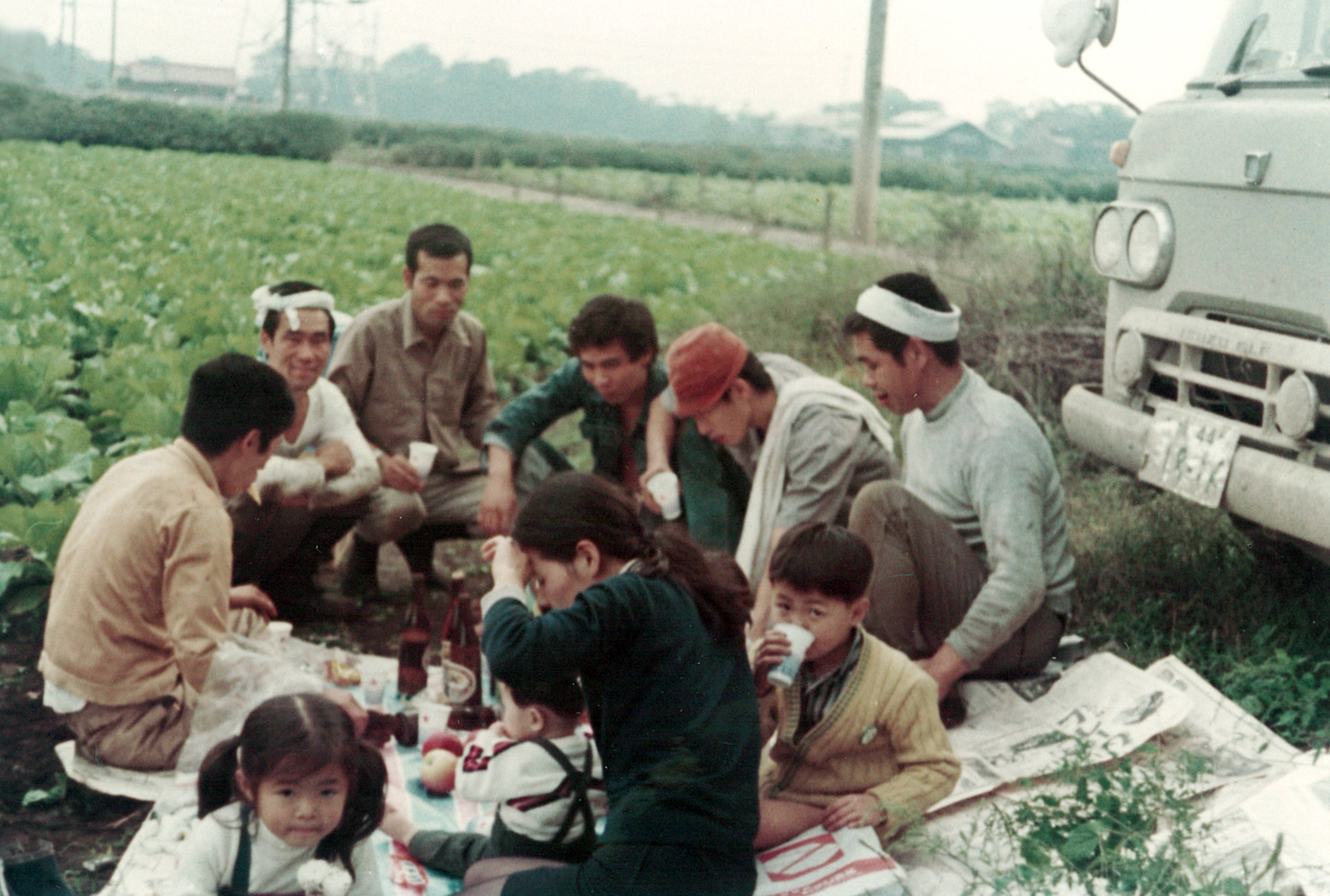
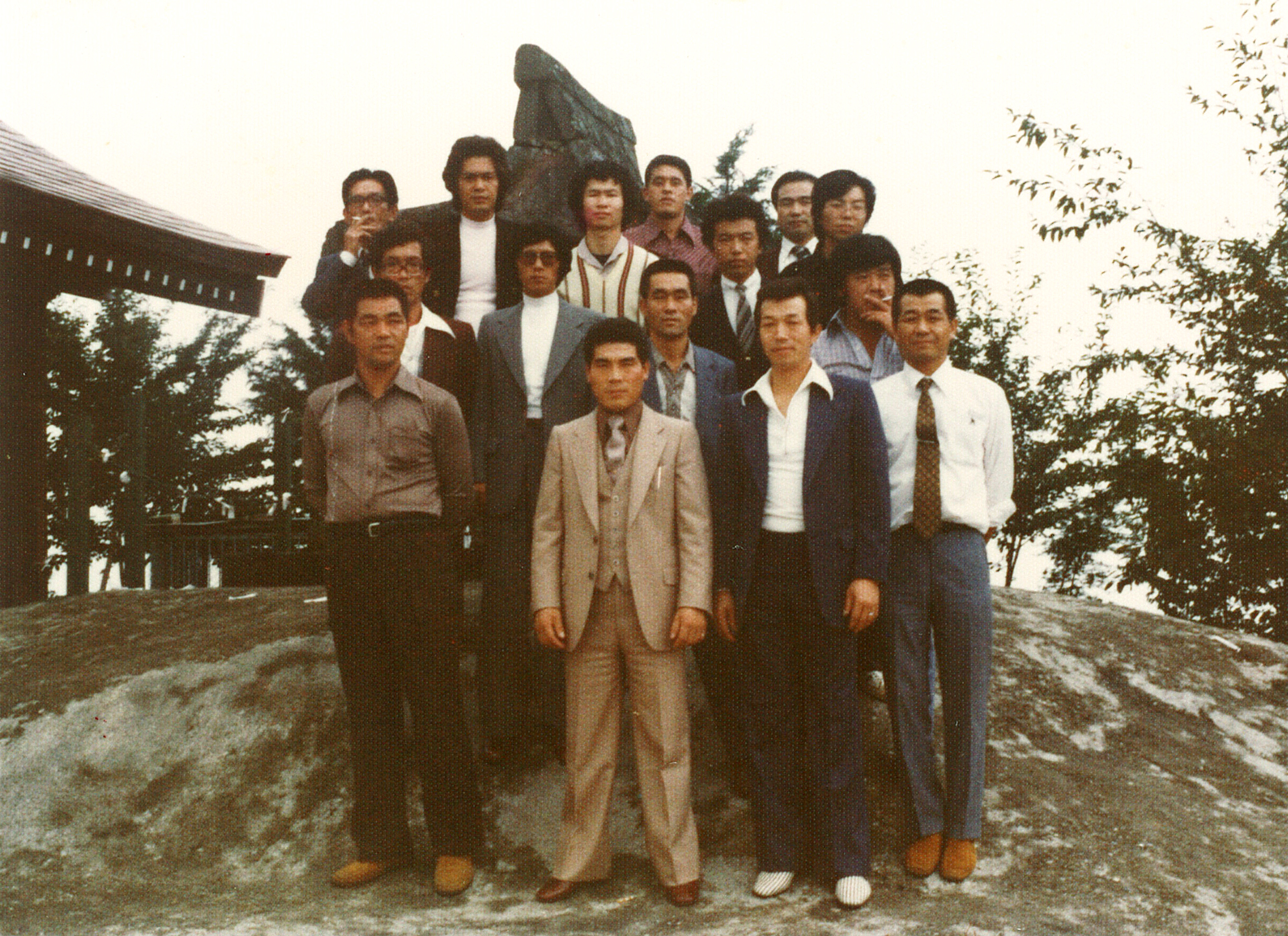
In the early 1970s, while the development of public infrastructure increased productivity across industries, the worsening pollution problems led to the establishment of the Environmental Agency. In 1971, the section of the Kan-Etsu Expressway from Nerima IC to Kawagoe IC opened, marking rapid progress in transportation and logistics infrastructure. For Ishizaka Inc., which was based in Nerima, Tokyo at the time, the development of this expressway presented a significant business opportunity.
1971
- Sep.
-
- Ishizaka-gumi Co., Ltd. was established in Nerima Ward with a capital of 700,000 yen.
1975
- Sep.
-
- Started industrial waste collection, transportation, and treatment business
1978
- Nov.
-
- Capital increased to 7 million yen
1980s
1980s
The Times and Ishizaka
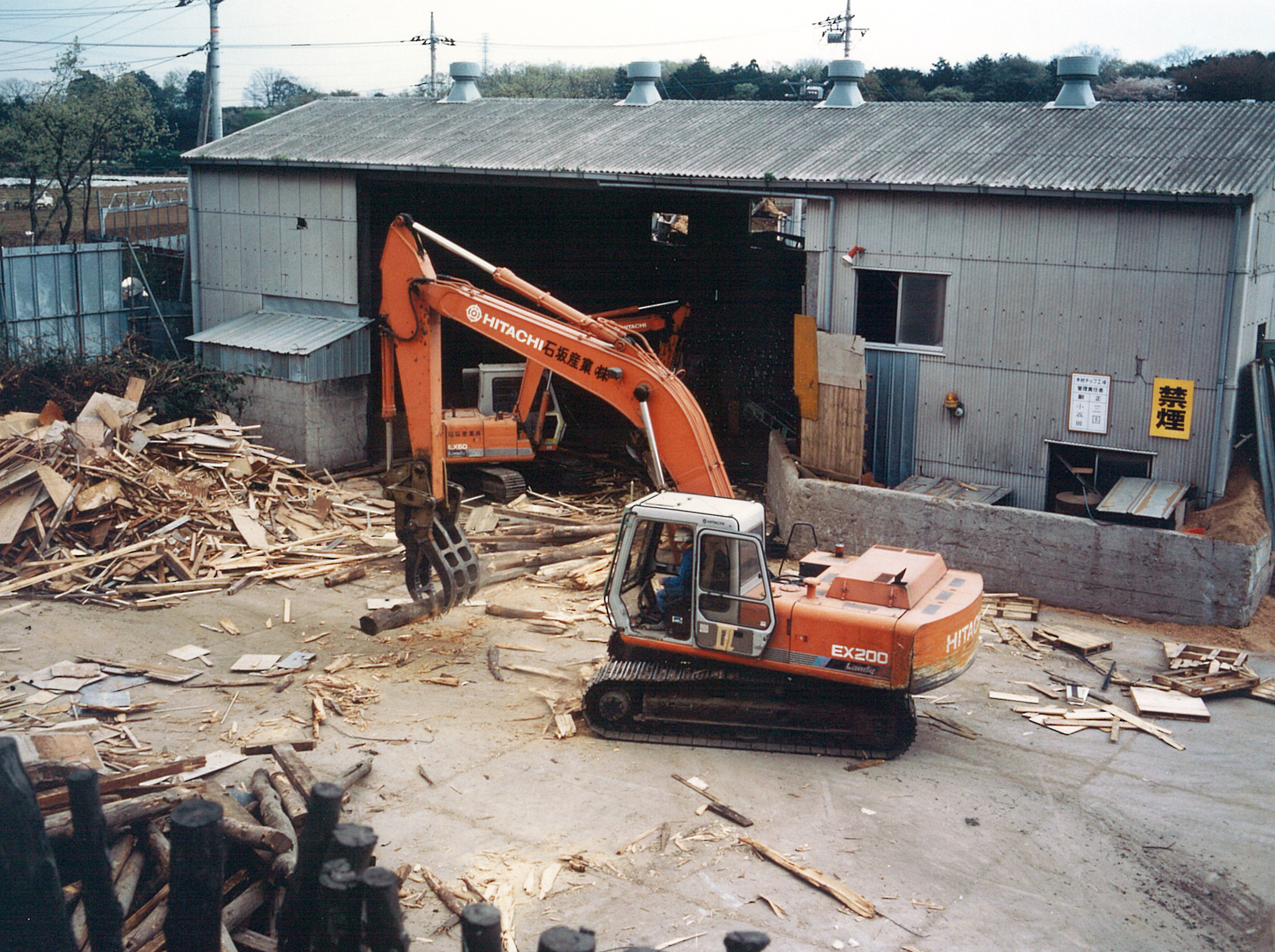
During the bubble economy, economic activity surged, leading to an increase in waste generation. In addition, changes in lifestyle and industrial structure diversified the types of waste, creating a nationwide need for expanded waste treatment facilities. Against this backdrop, Ishizaka Inc. relocated its headquarters to Miyoshi Town, Saitama Prefecture. To further expand its recycling business, the company proceeded with the construction of new treatment plants and established a system to contribute to a circular society.
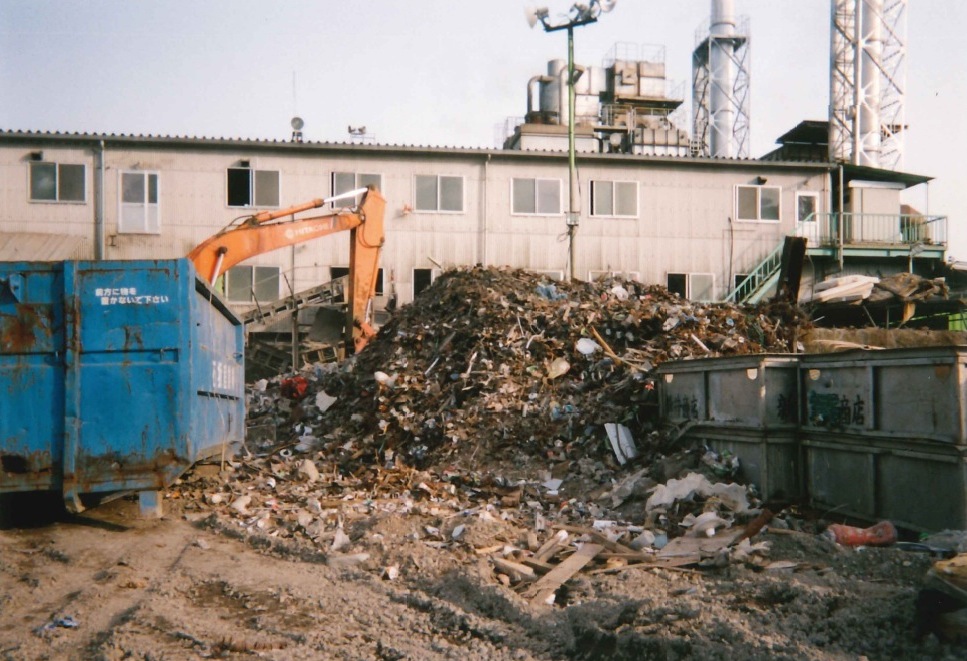
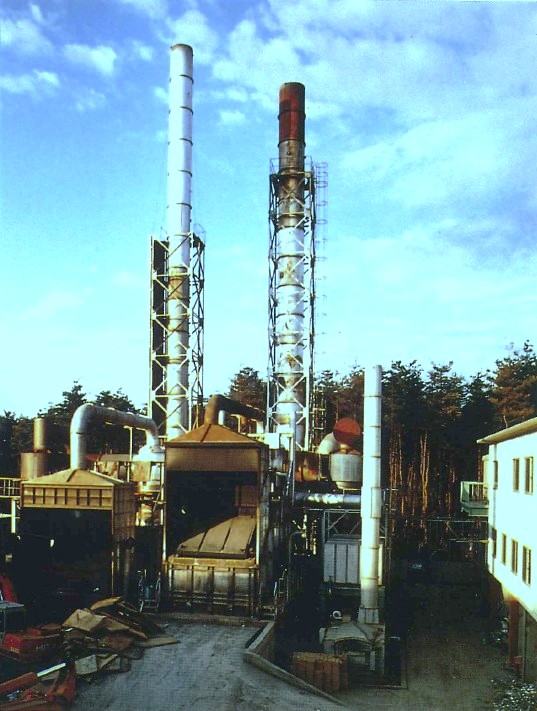
1982
- Mar.
-
- The company name was changed to Ishizaka Sangyo Co., Ltd.
- The headquarters were relocated to 1494-19 Kamitome, Miyoshi Town.
1986
- Jun.
-
- Obtained a construction business license from the Governor of Saitama Prefecture.
- Dec.
-
- Obtained development permission under Article 29 of the City Planning Act.
- The company name was changed to Ishizaka Inc.
1987
- Jan.
-
- Obtained permits for collection, transportation, and disposal business in Chiba Prefecture, Kanagawa Prefecture, Yokohama City, Kawasaki City, and Yokosuka City.
- Established a new wood chip recycling plant and obtained approval from Saitama Prefecture.
1988
- Jun.
-
- Obtained development permission under Article 29 of the City Planning Act.
- Oct.
-
- Established a new concrete recycling plant.
- Nov.
-
- Obtained permit for intermediate treatment business (concrete and crusher plant)
- Obtained approval from Saitama Prefecture
1989
- Mar.
-
- Established a new intermediate treatment facility and obtained permits for waste plastic volume reduction and crushing machines.
1990s
1990s
The Times and Ishizaka
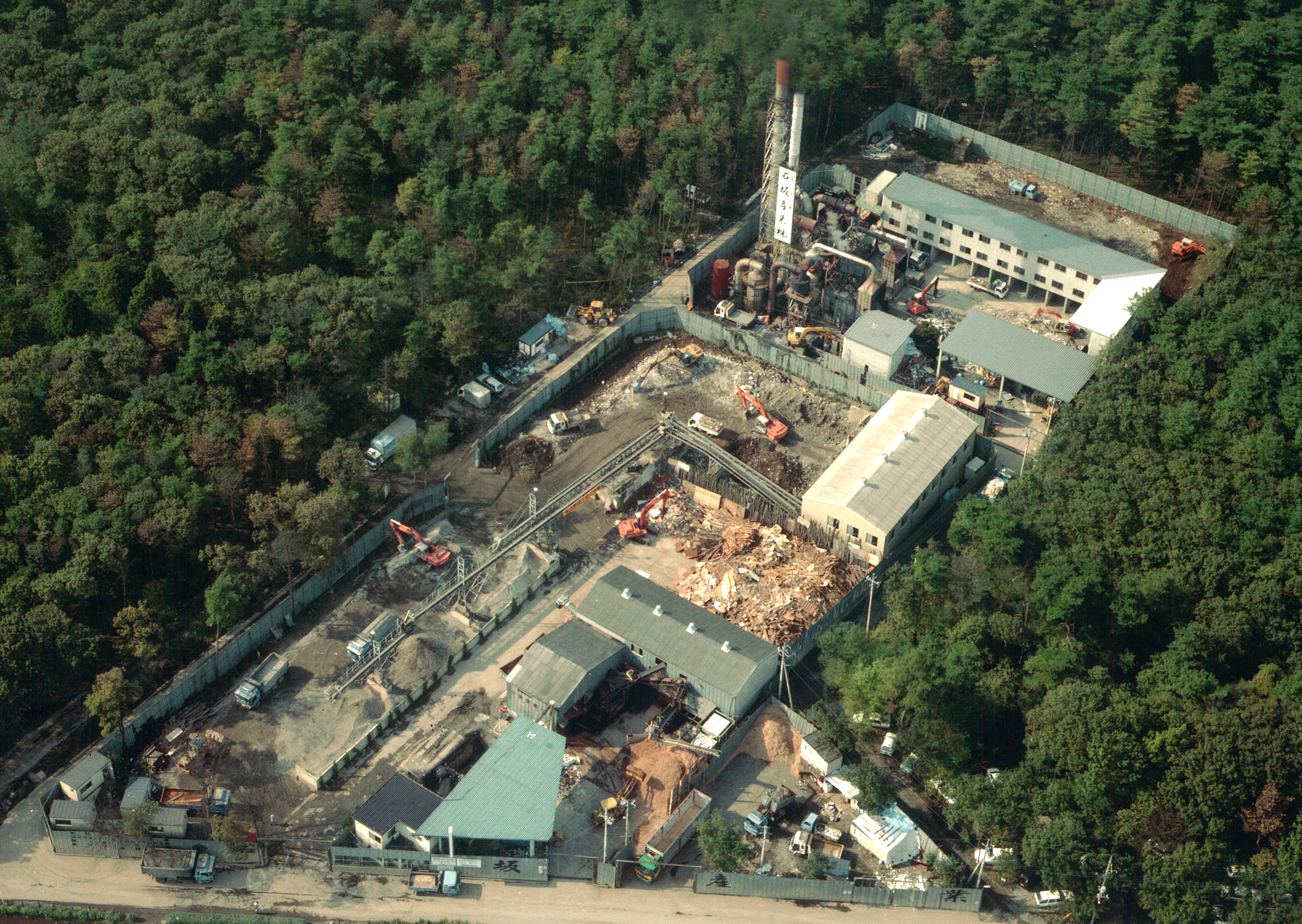
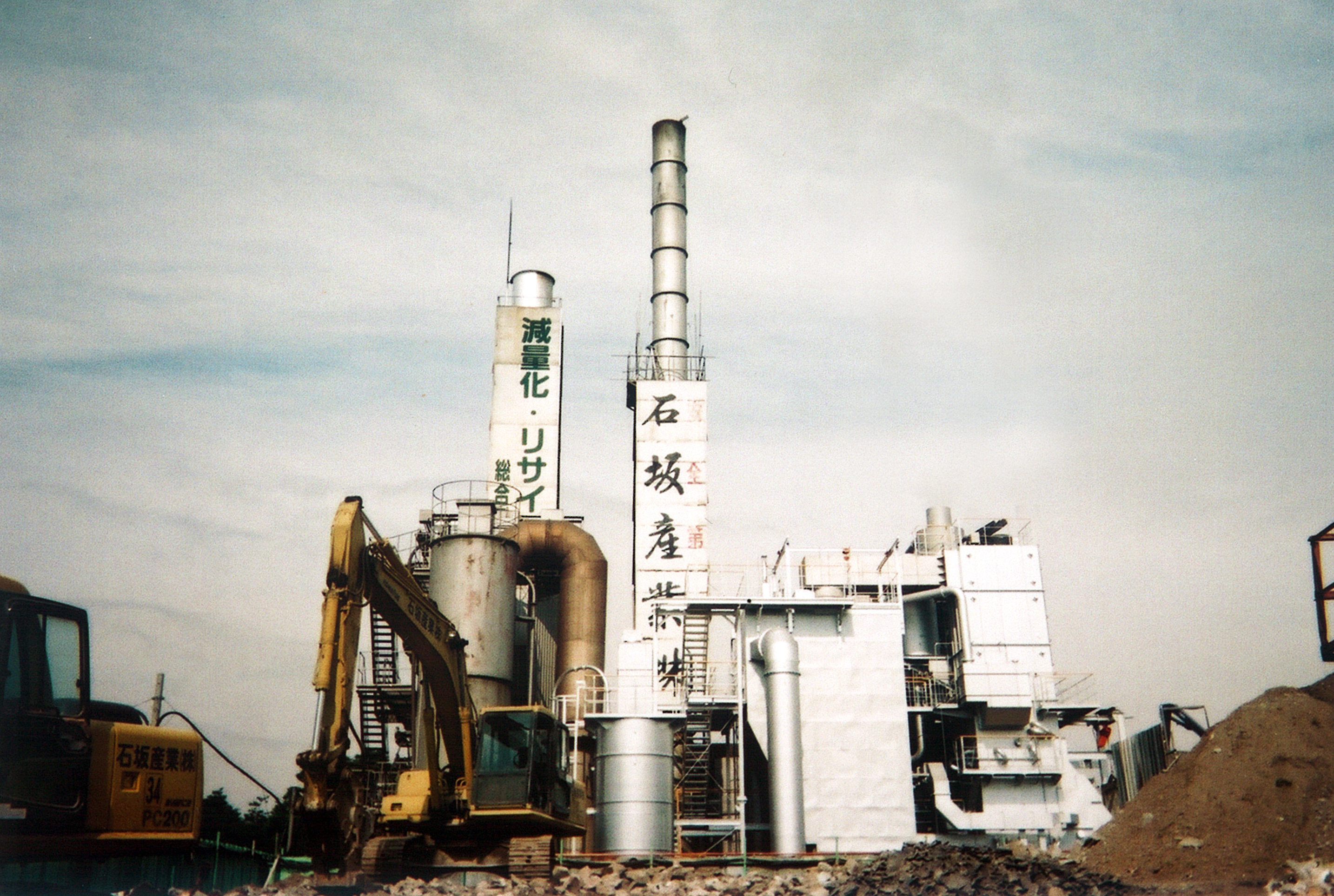
Amid growing global concern over environmental issues, reducing waste generation and promoting resource recycling became increasingly important. The 1992 Earth Summit (United Nations Conference on Environment and Development: UNCED) marked a turning point, advancing measures against global warming and the establishment of recycling-related laws. In Japan, the Third Conference of the Parties to the UN Framework Convention on Climate Change (COP3) was held in Kyoto in 1997. Around this time, Ishizaka Inc. introduced state-of-the-art dioxin control incinerators to reduce environmental impact. However, as the dioxin issue became a nationwide social problem, the company faced an existential crisis in 1999 due to reputational damage. This event prompted Ishizaka Inc. to withdraw from the incineration business and pivot decisively toward recycling and waste separation operations.
1990
- Dec.
-
- Obtained permits under Article 51, Paragraph 1 of the Building Standards Act of Saitama Prefecture, Article 29 of the City Planning Act, and Article 14 of the Waste Management and Public Cleansing Act.
1991
- Mar.
-
- Obtained collection and transportation permits for 16 types of waste.
- Apr.
-
- Established new sorting plant, neutralization equipment, wood chip (and others) plant, and equipment for crushing and volume reduction of waste plastics.
1994
- Apr.
-
- Registered as a waste recycling operator
- Nov.
-
- Capital increased to 40 million yen
1998
- Apr.
-
- Capital increased to 70 million yen
1999
- Apr.
-
- Implemented a manifest management system and a gypsum board processing system.
2000s
2000s
The Times and Ishizaka
The 21st century has been called the “Century of the Environment.” With the enactment of the Basic Act for Establishing a Sound Material-Cycle Society, Japan accelerated the shift from a society of mass production, mass consumption, and mass disposal to a circular society promoting Reduce, Reuse, and Recycle (3Rs). Amid global financial crises, companies were increasingly required to adopt sustainable management practices.
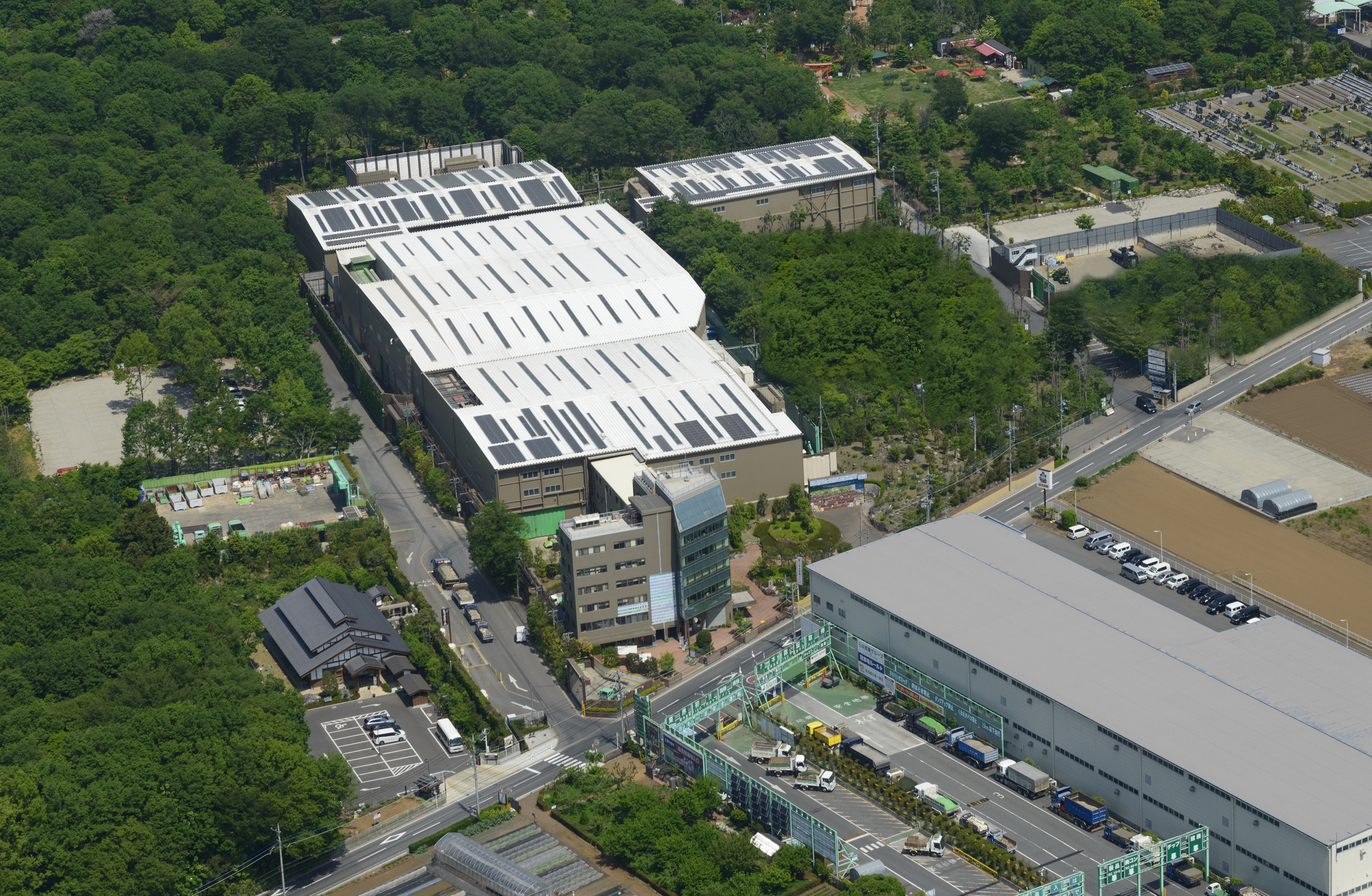
In 2002, during this major social transition, Noriko Ishizaka became the President (without representative rights) of Ishizaka Inc. She launched full-scale efforts to construct an all-weather recycling plant focused on meticulous waste separation and classification. At the same time, the company initiated activities to foster community understanding, including organizational reforms through ISO certification, satoyama restoration, and public road cleaning. Factory observation paths were also established to visualize and demonstrate the company’s initiatives.
In 2002, during this major social transition, Noriko Ishizaka became the President (without representative rights) of Ishizaka Inc. She launched full-scale efforts to construct an all-weather recycling plant focused on meticulous waste separation and classification. At the same time, the company initiated activities to foster community understanding, including organizational reforms through ISO certification, satoyama restoration, and public road cleaning. Factory observation paths were also established to visualize and demonstrate the company’s initiatives.
2000
- Sep.
-
- Introduction of an appraisal accounting system
- Introduction of a bedding chip crusher at the chip plant
- Obtained license for waste collection and transportation in Sagamihara City
2001
- Jan.
-
- Full-scale operation of the secondary chip crusher began
- Dec.
-
- Patent obtained for the sorting line (gypsum board recycling system)
2002
- Feb.
-
- Installation of a bag filter at the chip plant
- Completion of noise barrier measures inside the factory
- Mar.
-
- Introduction of low-noise heavy machinery for use inside the factory
- Sep.
-
- Installation work of the volume reduction plant and acquisition of permits
- Oct.
-
- Completion of the volume reduction plant
- Dec.
-
- Installation of a bag filter at the volume reduction plant
- Installation of a mist net spraying system at the sorting and classification plant
2003
- Jun.
-
- Completion of the model walking garden 'Kabokuen' (approx. 5,000 m²), using recycled wood chips
- Sep.
-
- Conclusion of the Preliminary Consultation Agreement for Development Activities with Miyoshi Town
- Oct.
-
- Signed a Green Agreement with Saitama Prefecture
- Dec.
-
- Simultaneous certification of integrated management systems (ISO 14001, ISO 9001, and OHSAS 18001) — an industry first
- Obtained development permission under Article 29 of the City Planning Act
2004
- Jan.
-
- Development of Kabokuen, the main garden, and the 2nd, 3rd, 4th, and 5th Kabokuen
- Mar.
-
- Installation of a rainwater storage tank on the premises
- Apr.
-
- Development of the 6th, 7th, and 8th Kabokuen
- Jul.
-
- Completion of the chip plant building and obtaining development permission under Article 35 of the City Planning Act
- Aug.
-
- Obtained conformity certification for development permission under Article 29 of the City Planning Act
2005
- Jan.
-
- Completion of the volume reduction and sorting/classification plant building
- May.
-
- Completion of the development of greenbelt and environmental control facilities from the main Kabokuen to the 22nd Kabokuen
- Jun.
-
- Installation of bag filters at the volume reduction and sorting plant
- Jul.
-
- Completion of the valuable materials plant and product stockyard buildings
- Nov.
-
- Installation of a bag filter at the waste concrete plant
- Completion of the waste concrete plant building
2006
- Oct.
-
- Completion of the headquarters building and administration building
- Nov.
-
- Obtained special permission under the proviso of Article 51 of the Building Standards Act
- Obtained permission for change in the scope of industrial waste disposal business
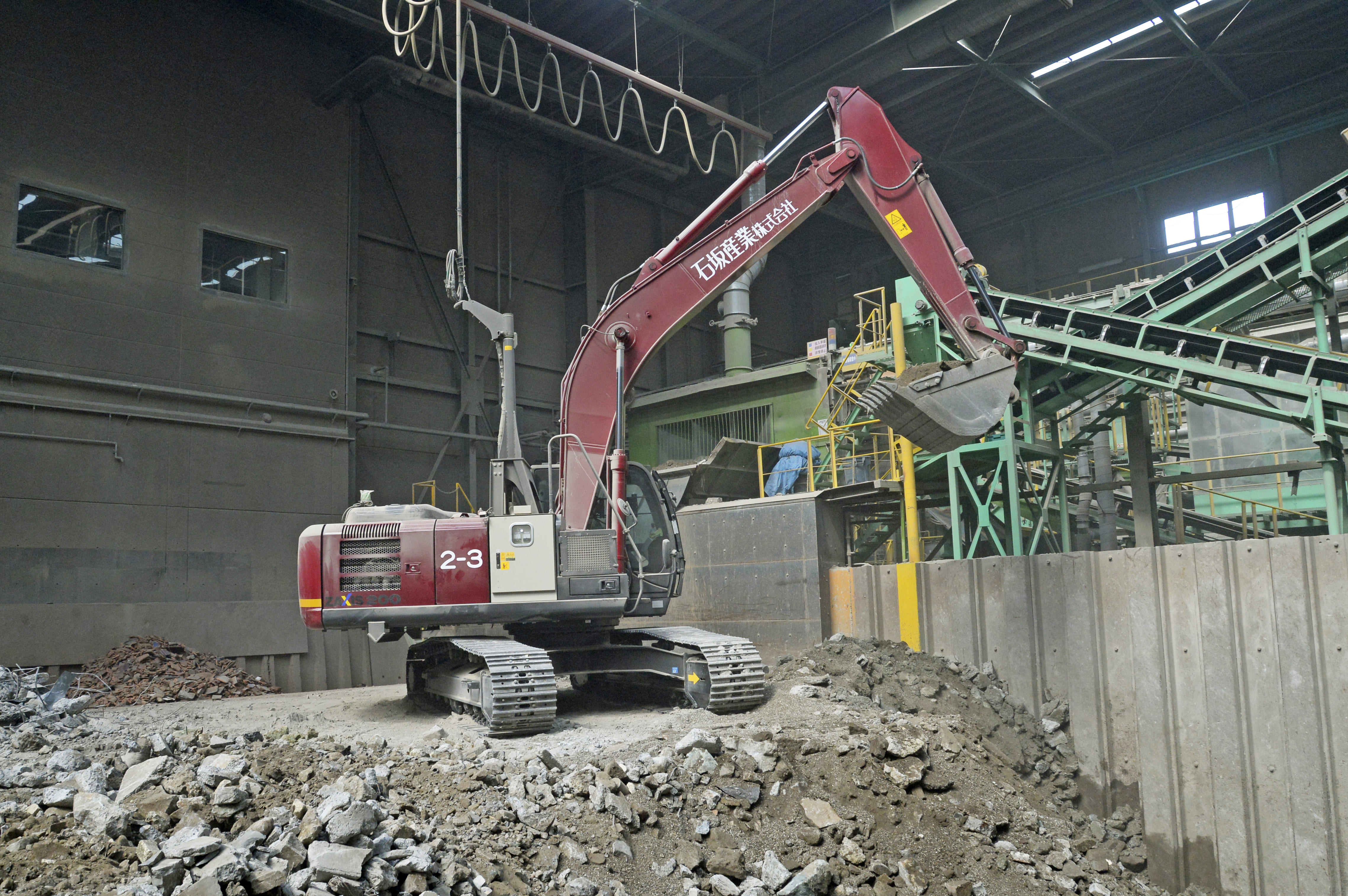
- Introduction of electric heavy machinery at the volume reduction plant
2007
- May.
-
- Completion of facilities compliant with Articles 14 and 15 of the Waste Management and Public Cleansing Act
- Oct.
-
- Obtained ISMS ISO/IEC 27001 certification for information security management
2008
- Jan.
-
- Completion of the full all-weather plant renewal
- Sep.
-
- Completion of the visitor walkway and gallery building
2010s
2010s
The Times and Ishizaka
The Great East Japan Earthquake in 2011 marked a major turning point in Japan’s energy policy. Around the same time, the Sustainable Development Goals (SDGs) were internationally proposed, raising environmental awareness on a global scale. In 2013, Noriko Ishizaka assumed the position of President. Through ongoing conservation and recycling activities, the satoyama surrounding the company were restored to their original state and recognized as a ”Place for Nature-Based Experiences” Research Organization under the Environmental Education Promotion Act.
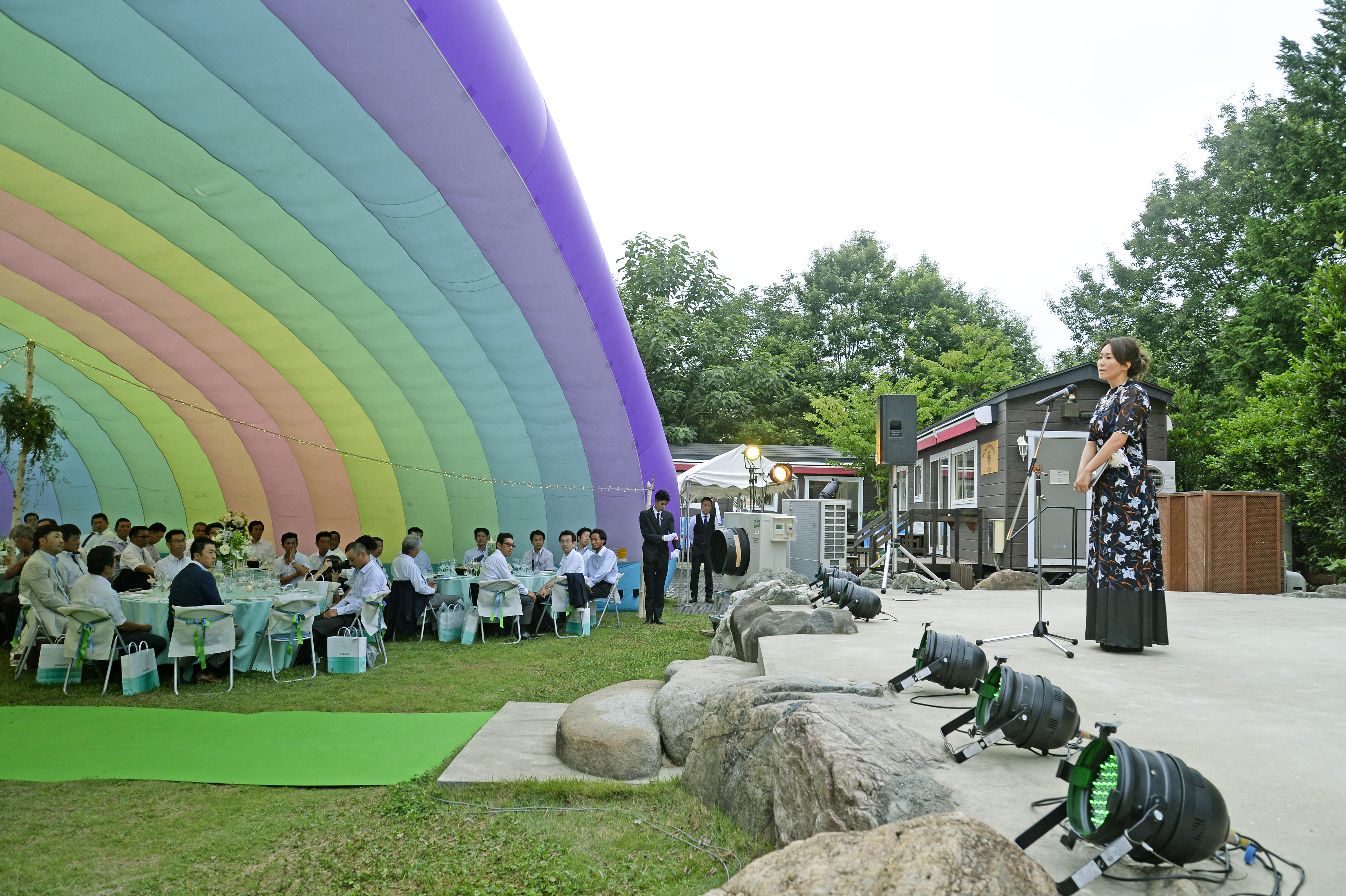
Building on this, the satoyama area was opened to the public as Santome Konjakumura. In 2015, the company further accelerated its environmental education initiatives by constructing the Oak Woods Community Plaza, a central facility for these activities. In addition to environmental education, various efforts were undertaken to improve operations and organizational structure, including the introduction of electric heavy machinery and the implementation of an integrated ISO seven-standard management system.
Building on this, the satoyama area was opened to the public as Santome Konjakumura. In 2015, the company further accelerated its environmental education initiatives by constructing the Oak Woods Community Plaza, a central facility for these activities. In addition to environmental education, various efforts were undertaken to improve operations and organizational structure, including the introduction of electric heavy machinery and the implementation of an integrated ISO seven-standard management system.
2010
- Jan.
-
- Landscaping of Kabokuen Fruit Park
2011
- Mar.
-
- Approval of the Formulated Management Innovation Plan (Saitama Prefecture)
- Apr.
-
- First domestic credit certification in Japan for electric heavy machinery: Certified under the Domestic Credit System Emission Reduction Project (Ministry of Economy, Trade and Industry; Ministry of the Environment; Ministry of Agriculture, Forestry and Fisheries)
- Jun.
-
- Applied heat-reflective coating on the building roof
- Jul.
-
- Implementation of a new core system
- Oct.
-
- Obtained ISO 50001 certification for energy management
- Commencement of operation of five integrated management systems (ISO 14001, ISO 9001, OASAS18001, ISO 27001, ISO 50001)
2012
- Jan.
-
- Completion of Kabokuen and the wild bird waterside pond
- Feb.
-
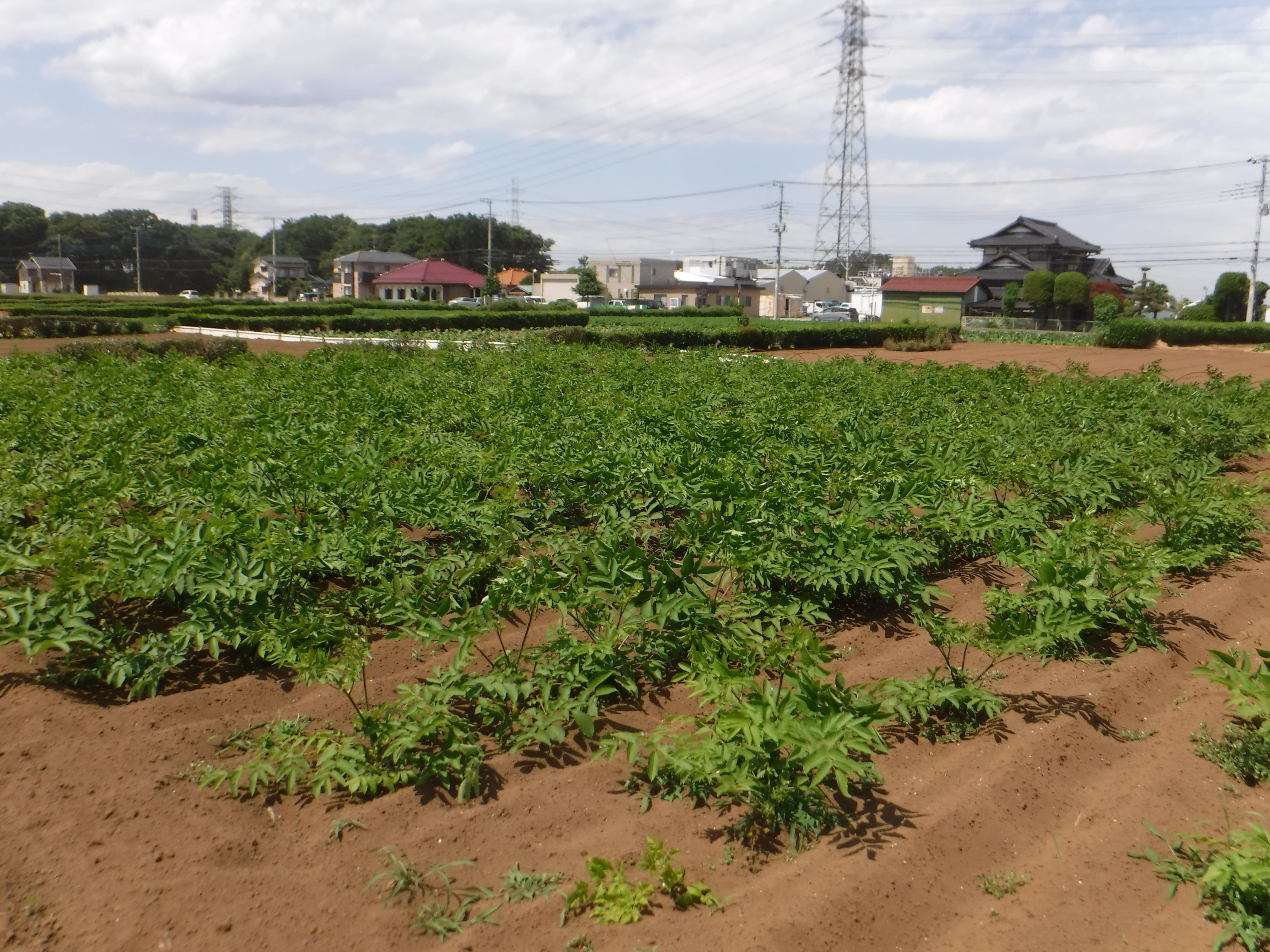
- Installation of the Hanaki-en Walking Path “Midori no Kairō” (Green Corridor)
- Launch of the Oak Woods Environmental School
- Jul.
-
- Obtained “AAA” certification under the JHEP Certification System (Japan Habitat Evaluation and Certification Program) from the Ecosystem Conservation Society–Japan (ECS–Japan).
- Aug.
-
- Opened the “Santome Konjyaku Kataribe-kan” (Santome Past and Present Storytelling Hall).
2013
- Jan.
-
- Integrated compressors and improved efficiency of dust collection systems
- Mar.
-
- Certified as a “”Place for Nature-Based Experiences”.
- Sep.
-
- Noriko Ishizaka appointed as President.
- Launch of the “Santome Konjakumura Group”
- Nov.
-
- Obtained ISO 22301 Business Continuity Management certification.
- Started operation of six integrated management systems (ISO 14001, ISO 9001, OASAS18001, ISO 27001, ISO 50001, ISO 22301).
2014
- Nov.
-
- Obtained ISO 29990 certification for learning services.
- Started operation of seven integrated management systems (ISO 14001, ISO 9001, ISO 45001(OHSAS18001), ISO 27001, ISO 50001, ISO 22301, ISO 29990).
2015
- Mar.
-
- Started recruitment of new graduate students.
- Apr.
-
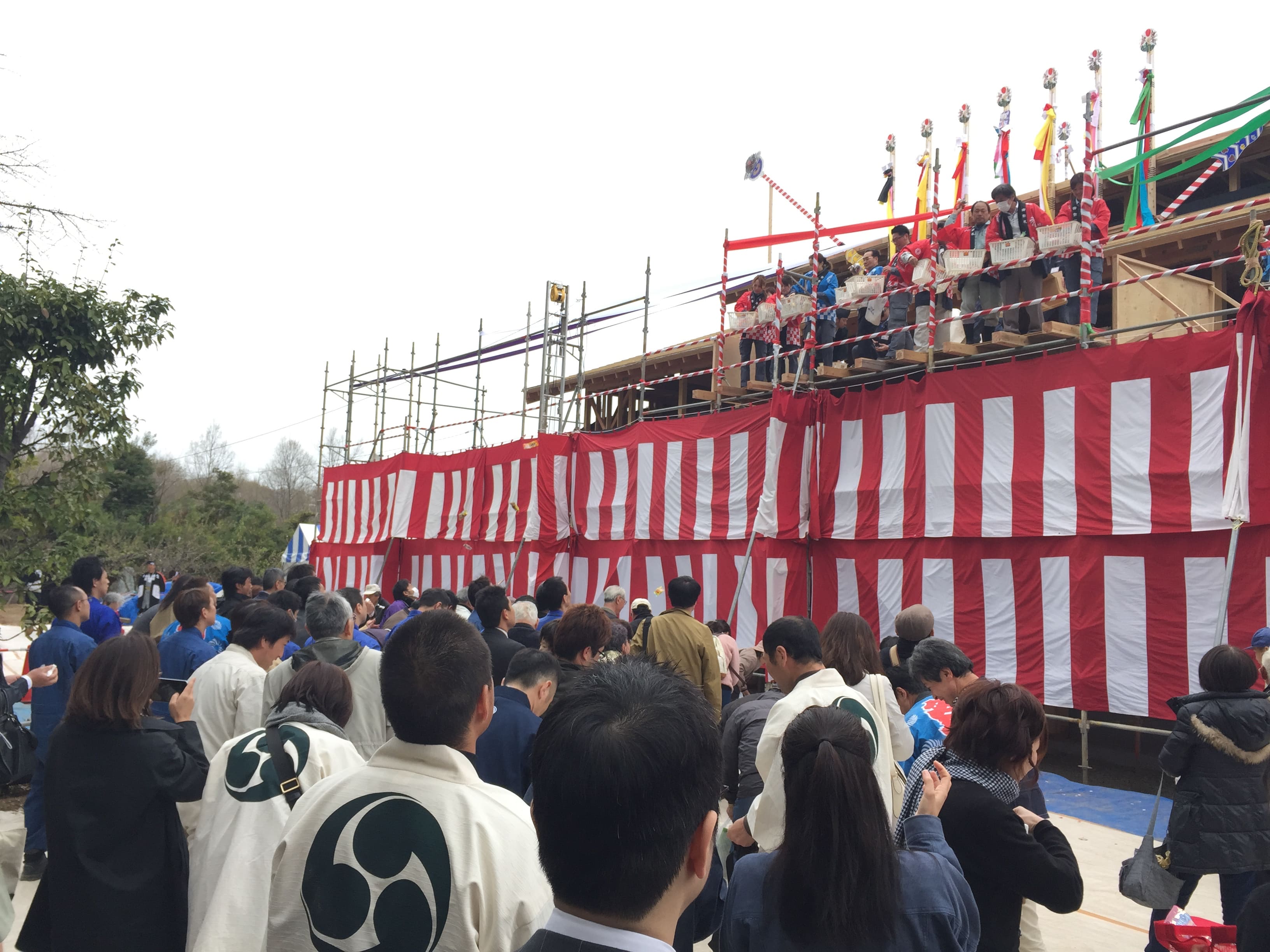
- Groundbreaking Ceremony for the Oak Woods Community Plaza at Santome Konjakumura
- May.
-
- Launched the "Ishizaka-gijuku," public lecture series for general audiences.
- Obtained the nation’s first Construction Technology Certification in the waste management industry for "Embankment Material NS-10" made by recycling soil contained in construction-related mixed waste.
- Nov.
-
- Opened the “Oak Woods Community Plaza” at Santome Konjakumura.
2016
- Apr.
-
- Held the "Living with SATOYAMA EXPO."
- Aug.
-
- Establishment of Ishizaka Organic Farm Inc.
2017
- Apr.
-
- Ishizaka Inc. renewed its corporate slogan and logo.
- Jul.
-
- Renewed “AAA” certification under the JHEP Certification System (Ecosystem Conservation Society–Japan).
- Celebrated the 50th anniversary of establishment.
- Erected a bust of the founder, Yoshio Ishizaka.
- Aug.
-
- Simultaneously obtained the international agricultural production process certification "GLOBALG.A.P." and the "ASIA GAP" certification awarded to farms committed to food safety and environmental conservation.
- Oct.
-
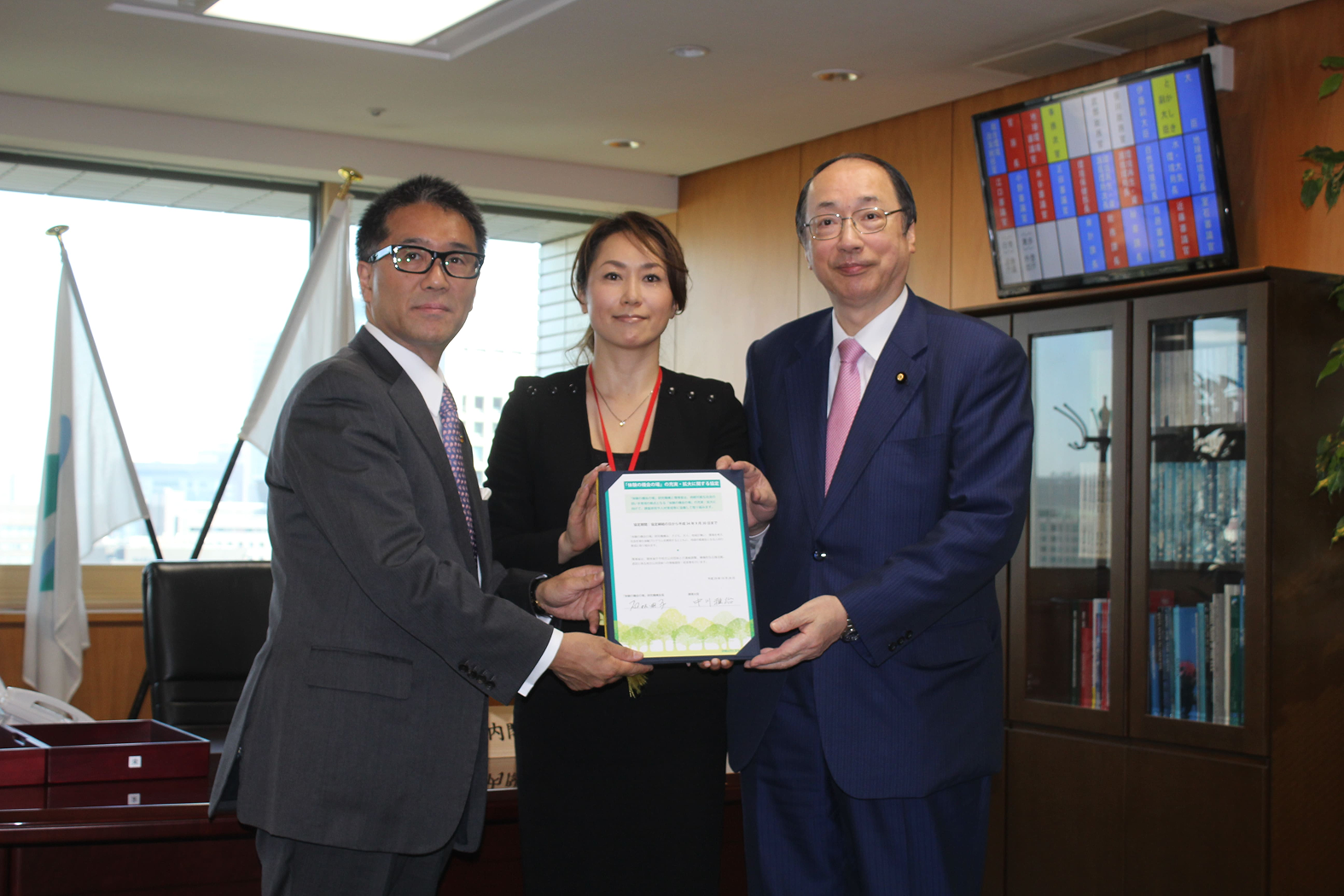
- As the secretariat of the “Place for Nature-Based Experiences” Research Organization, Ishizaka Inc. signed an agreement with the Ministry of the Environment to enhance and expand Places for Nature-Based Experiences.
2018
- Feb.
-
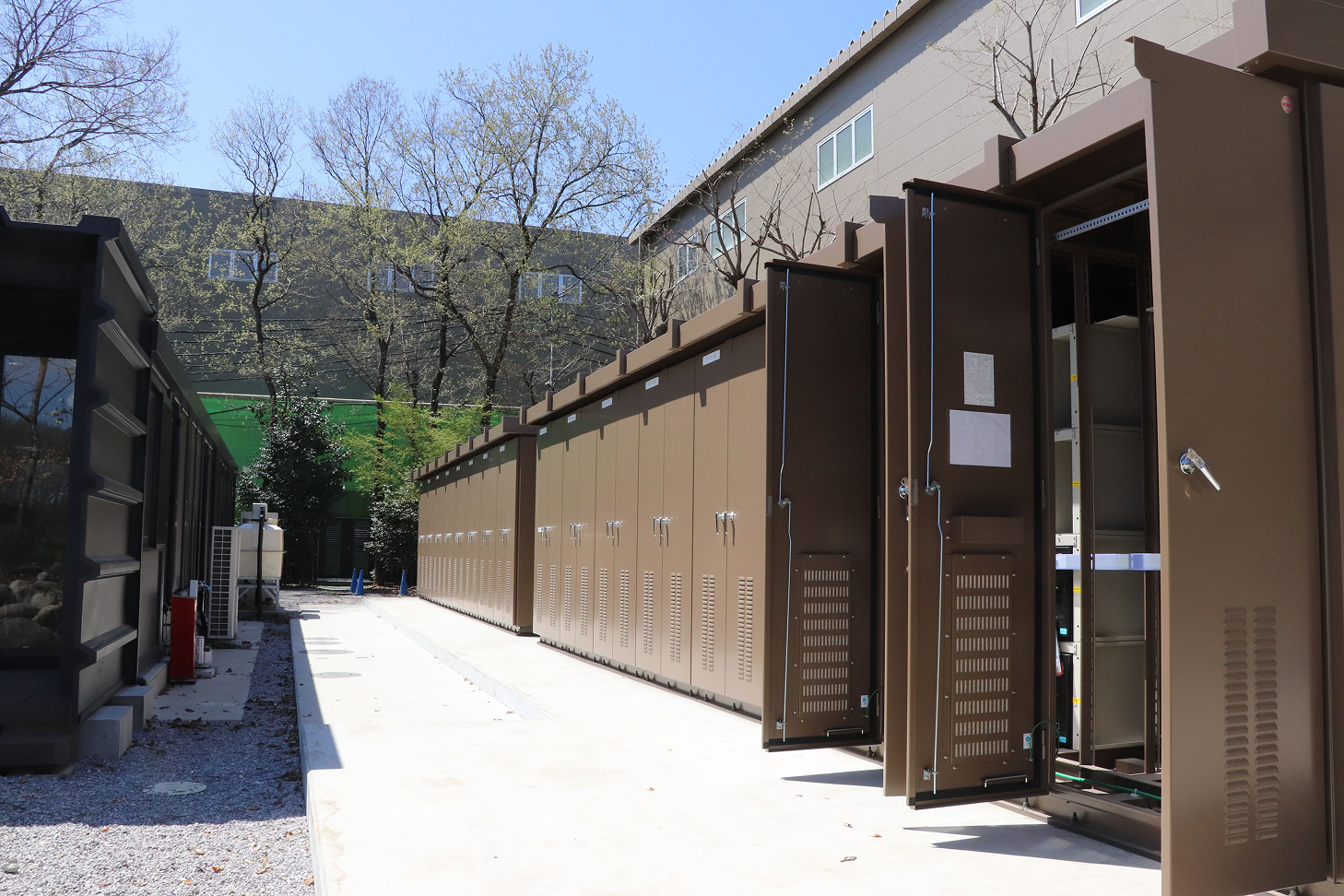
- Introduced large-scale lead-acid batteries and a geothermal heat utilization air-conditioning system.
- Jun.
-
- Signed a comprehensive cooperation agreement with Miyoshi Town to promote regional revitalization and community development, establishing a five-year partnership.
- Dec.
-
- Enshrinement of the “Shiawase Shrine.”
2019
- Apr.
-
- Obtained "Organic JAS" certification for agricultural products and processed foods from Ishizaka Organic Farm.
- Jul.
-
- Held the 1st Founding Festival “Shiawase Shrine Night Festival.”
- Nov.
-
- Held the 1st Green Blue Education Forum (GBEF) Contest.
2020s
2020s
The Times and Ishizaka
In the face of global challenges such as climate change, an era has arrived in which international efforts, development, and investment are required to achieve Carbon Neutrality (CN), Nature Positive (NP), and a Circular Economy (CE). At the same time, the world has faced increased uncertainty due to the spread of infectious diseases.
Amid these circumstances, Ishizaka Inc. has pursued the vision of “Zero Waste Design”, implementing and achieving pioneering initiatives toward the realization of a circular society. Furthermore, to address the serious societal challenge of labor shortages, the company has been advancing the use of AI and IT for labor-saving and automation. Today, we are taking on the challenge of expanding the Ishizaka Circular Model through partnerships that go beyond the boundaries of the industry.
Amid these circumstances, Ishizaka Inc. has pursued the vision of “Zero Waste Design”, implementing and achieving pioneering initiatives toward the realization of a circular society. Furthermore, to address the serious societal challenge of labor shortages, the company has been advancing the use of AI and IT for labor-saving and automation. Today, we are taking on the challenge of expanding the Ishizaka Circular Model through partnerships that go beyond the boundaries of the industry.
2020
- Jul.
-
- Started a three-company collaboration with NEC Corporation, Intel Corporation, and our company.
- Dec.
-
- Received the Japan Management Quality Award in the Small and Medium Enterprise category (Japan Productivity Center, a public interest incorporated foundation).
2021
- Apr.
-
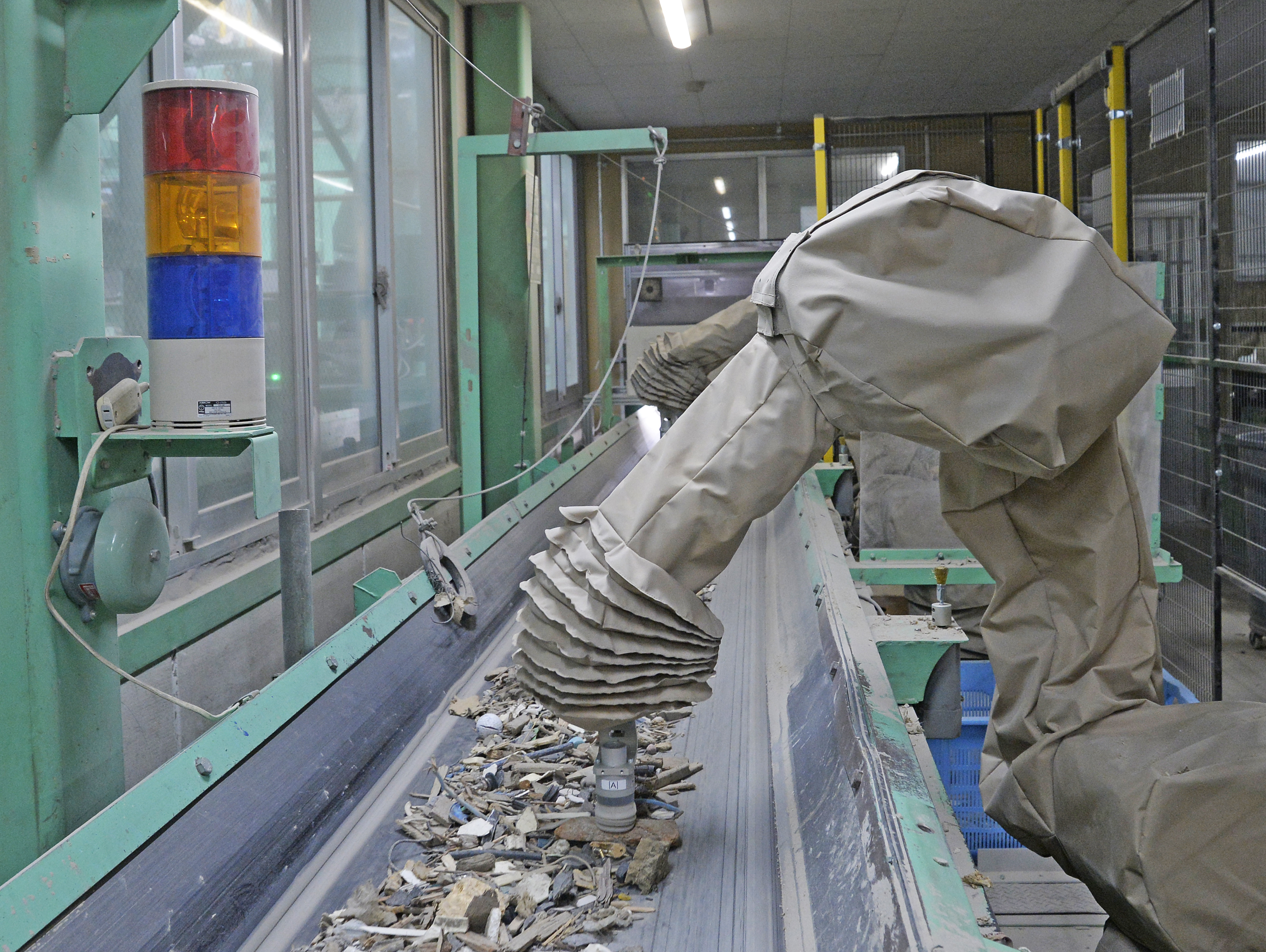
- Full-scale operation started for the manual sorting robot "IT-PiRo."
- Jun.
-
- Joined the "RE Action: 100% Renewable Energy Declaration."
- Aug.
-
- First Japanese company to sign The Climate Pledge.
- Dec.
-
- Achieved 100% renewable energy usage.
2022
- Apr.
-
- 55th Anniversary / Corporate Logo Renewed
- Jul.
-
- Joined the “30by30 Alliance for Biodiversity”
- Renewed “AAA” rating under the JHEP Certification System for the second time—the first in Japan (Japan Ecosystem Conservation Society)
2023
- Feb.
-
- Grand Opening of Naya Saryo MEGURU
- Mar.
-
- Registered and Certified as a “Saitama Prefecture SDGs Partner”
- Apr.
-
- Renewal of the comprehensive cooperation agreement with Miyoshi Town to promote regional revitalization and community development.
- Jun.
-
- Signed a Memorandum of Understanding (MoU) with Lahti Region, Finland, for cooperation toward a circular economy
- Sep.
-
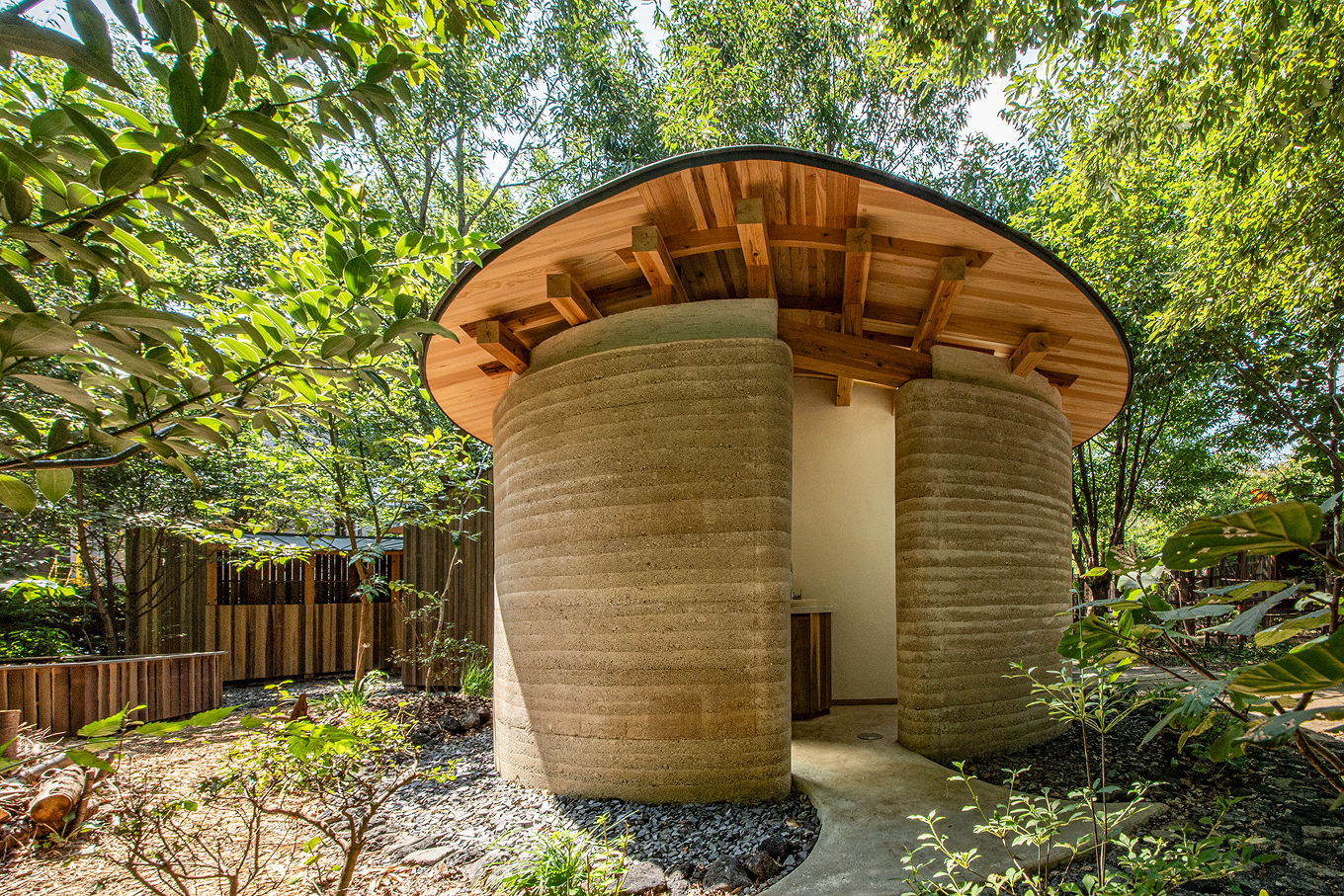
- Constructed the fully circular bio-toilet “TOILETOWA”
- Oct.
-
- Renewed the symbol mark of Santome Konjakumura
- Participation in the Digital Agency's “Model Use Case Demonstration Experiment for Realizing Trusted Web”
- Dec.
-
- Participation in the “Circular Partners” Partnership to Promote Industry-Government-Academia Collaboration for Realizing a Circular Economy (Ministry of Economy, Trade and Industry)
2024
- Mar.
-
- Santome Konjakumura certified as a "Nature Symbiosis Site" by the Ministry of the Environment of Japan
- Apr.
-
- Signed an MOU with Idea Studio Nepal for the construction of a waste recycling plant.
- Jul.
-
- Updated Renewable Energy 100 Declaration RE Action
2025
- Mar.
-
- Grand Opening of Naya Yojo Meguru
- Jun.
-
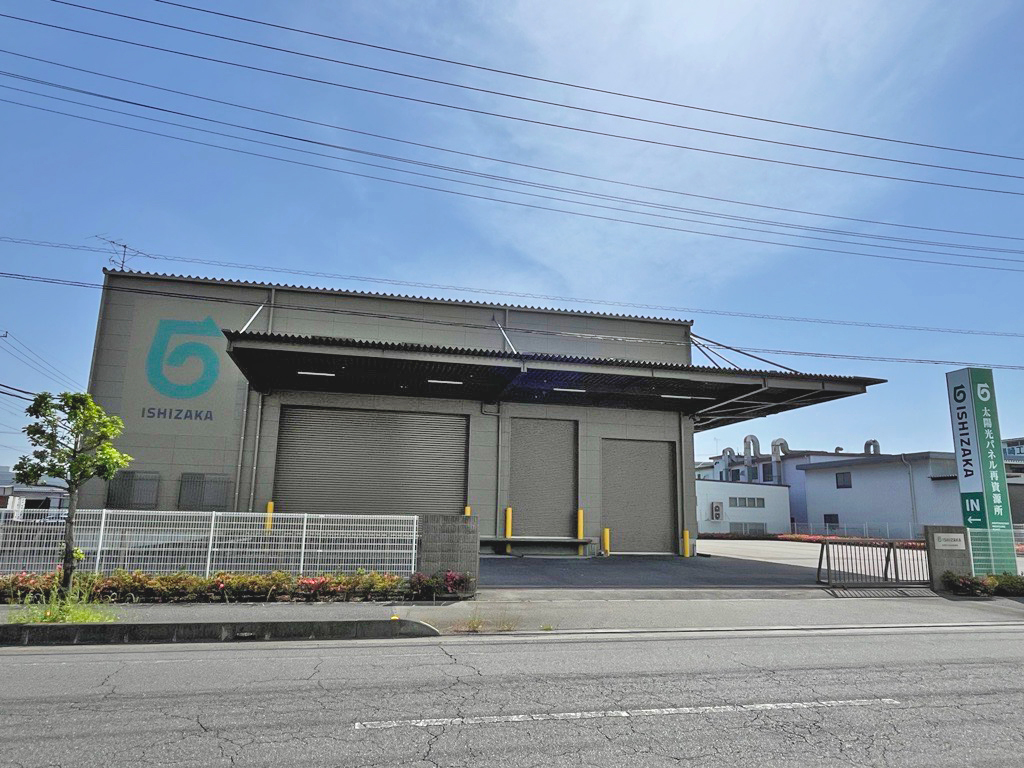
- Established and started accepting materials at a photovoltaic recycling facility in Iruma City, Saitama Prefecture.
- Sep.
-
- “Santome Konjakumura” has been certified as a”Nationally Certified Sustainably Managed Natural Sites” under the “Regional Biodiversity Promotion Act”
2026
- Feb.
-
- Renewed the "Comprehensive Cooperation Agreement" with Miyoshi Town, and concluded a new “Memorandum of Understanding on the Handling of Disaster Waste in the Event of Large-Scale Earthquakes or Other Major Disasters”
- Mar.
-
- Signed an agreement with Toyota Boshoku to promote the use of construction waste plastic in automotive parts.
Facility Tour and Training Program
We offer factory tours throughout the year that are open to all visitors.Our programs include tours designed for adults, family-friendly tours for parents and children, as well as tours tailored for companies and organizations.We provide customized courses based on your needs, including the theme, budget, and available time.
Contact Us
For inquiries regarding industrial waste acceptance, media interview requests, or consultations about collaboration and partnerships, please contact us here.